












Unstable Geopolitics and the Cost of Power
Unstable geopolitics is driven by power struggles between nations, creating global tension and inequality, while ordinary people bear the real consequences of conflict and instability worldwide.



The global political system is often presented as a structure of governance, diplomacy, and cooperation. Yet beneath this surface, it operates through constant competition, shifting alliances, and an ongoing struggle for influence. In many ways, instability is not an exception to geopolitics it is part of how the system functions.
Nations compete for power, resources, strategic advantage, and global recognition. This pursuit of influence drives foreign policy decisions, military strategies, and economic negotiations. While these actions are often justified in the name of national interest or security, they frequently create tension between states and contribute to global instability. The structure of geopolitics is deeply hierarchical. Powerful nations often shape global narratives, control economic systems, and influence international institutions. Smaller or developing countries are frequently left to adjust to decisions made beyond their control. As a result, global stability becomes uneven, dependent on the interests of those who hold power.


At the center of this system lies the pursuit of authority. Political leaders and states continuously seek dominance whether through economic strength, military capability, or diplomatic influence. This competition is ongoing and rarely reaches a final balance, which is why instability tends to persist rather than disappear.
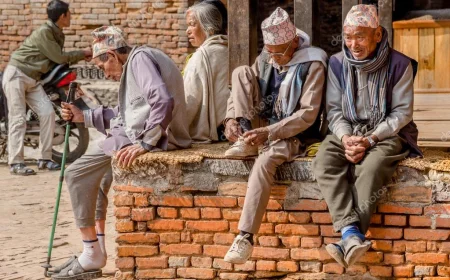
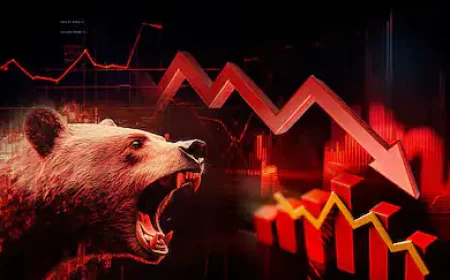
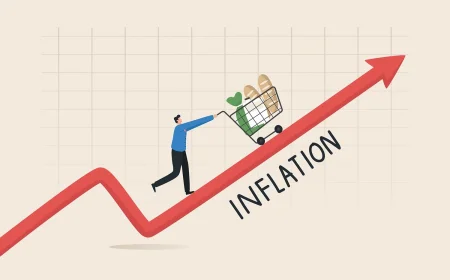
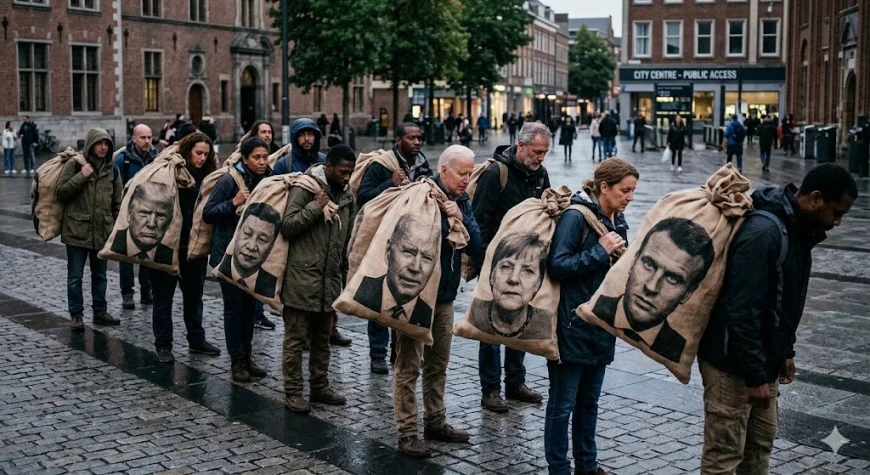
However, the consequences of this continuous struggle are not distributed equally. While decisions are made in political offices, summits, and state institutions, the impact is felt most strongly by ordinary people. Wars, sanctions, economic crises, displacement, and inflation affect civilians far more than those who design or participate in geopolitical strategies.


In conflict zones, it is civilians who lose homes, livelihoods, and security. In economically unstable regions, it is the general population that faces unemployment, rising prices, and reduced access to basic services. Even in countries not directly involved in conflict, global instability often leads to economic pressure and uncertainty in daily life. This creates a fundamental contradiction in the geopolitical system: while power is concentrated at the top, the burden of instability is carried at the bottom. Those who benefit from strategic decisions are often not the ones who suffer from their consequences.
Ultimately, unstable geopolitics reflects a system where the pursuit of power is continuous, but the cost is unevenly shared. And in this imbalance, it is not the powerful who pay the highest price, but ordinary people who live with the outcomes of decisions they did not make.
What's Your Reaction?
 Like
0
Like
0
 Dislike
0
Dislike
0
 Love
0
Love
0
 Funny
0
Funny
0
 Angry
0
Angry
0
 Sad
0
Sad
0
 Wow
0
Wow
0