

























Understanding the Nipah Virus: Symptoms, Spread, and Recent Developments
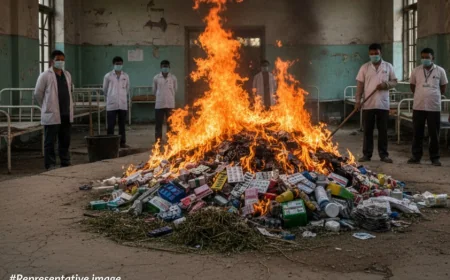
Nipah virus is a rare but deadly disease that has caused occasional outbreaks in South and Southeast Asia. It spreads through contact with infected animals or humans and can lead to severe respiratory illness and encephalitis. A recent death in West Bengal highlights the ongoing risks, especially for frontline healthcare workers. Experts stress early detection, strict infection control, and public awareness to prevent future outbreaks.

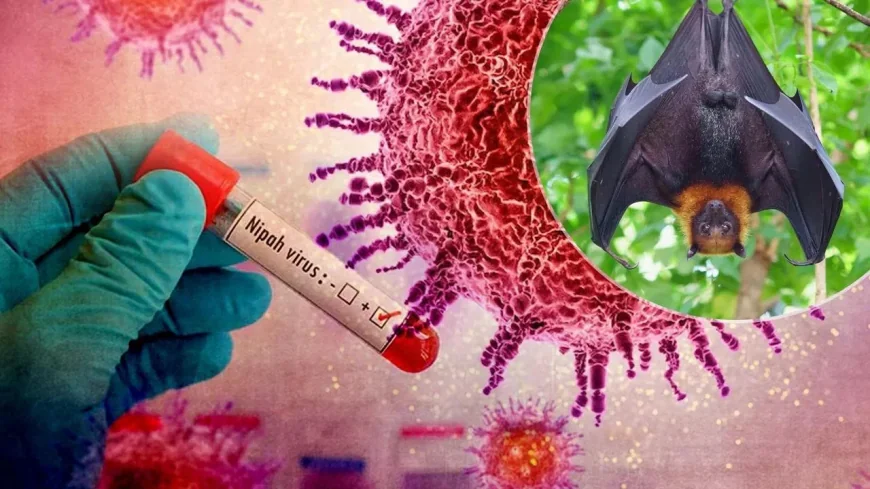


The Nipah virus is a highly infectious pathogen that has drawn global concern due to its potential to cause severe illness and high fatality rates. First identified during an outbreak in Malaysia in 1998‑99, the virus belongs to the Henipavirus genus and is known to cause encephalitis (inflammation of the brain), severe respiratory infection, and neurological complications.
Transmission and Risk Factors


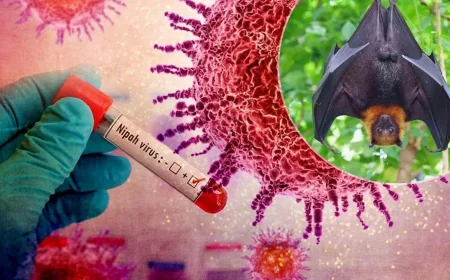
Nipah virus is primarily transmitted through close contact with infected animals — especially fruit bats of the Pteropus species — or by consuming food contaminated with bodily fluids from infected animals. The virus can also spread from person to person through direct contact with the bodily fluids (such as respiratory droplets, saliva, or urine) of infected individuals, making caregivers and healthcare workers particularly vulnerable during outbreaks.
Human‑to‑human transmission has been documented in several outbreaks, particularly among family members and healthcare staff who care for infected patients without adequate protective measures.


Symptoms and Clinical Features
The incubation period — the time between exposure and onset of symptoms — ranges from 4 to 14 days, but can be longer in some cases. Symptoms often begin suddenly and can include:
•Fever
•Headache
•Muscle pain
•Nausea and vomiting
•Dizziness
•Difficulty breathing
•Neurological signs such as disorientation and coma
In severe cases, the virus can progress rapidly to encephalitis, seizures, and even death. Survivors may suffer long‑term neurological complications.
Recent Incident in West Bengal
In the latest development, a 25‑year‑old nurse in North 24 Parganas district, West Bengal succumbed to complications related to a Nipah virus infection after weeks of treatment in a private hospital. Although she had tested negative in later stages, her condition remained critical, and she was placed on ventilator support before her death. This marks the region’s first recent fatality linked to the virus.
Another healthcare worker who was infected earlier in the outbreak has since recovered and been discharged, underscoring the variability in disease progression and outcomes among patients.
Diagnosis and Treatment
Nipah virus infection is diagnosed through laboratory testing of blood, cerebrospinal fluid, throat swabs, or urine samples using molecular methods such as RT‑PCR. There is currently no specific antiviral treatment approved for Nipah virus infection. Management focuses on supportive care to relieve symptoms, maintain hydration, and support respiratory and neurological function.
Experimental treatments and vaccines are under research, but none are widely available outside clinical trials.
Prevention and Control
Public health experts emphasize several key strategies to prevent Nipah virus transmission:
•Avoid contact with fruit bats and sick animals
•Do not consume raw date palm sap, fruit juices, or foods potentially contaminated by bats
•Practice strict hygiene, including handwashing
•Use protective equipment for healthcare workers caring for infected patients
•Isolate suspected cases promptly
•Global and Local Preparedness
Nipah virus is classified by the World Health Organization (WHO) as a priority pathogen due to its epidemic potential and lack of effective therapies. Countries at risk, particularly in South and Southeast Asia, have strengthened surveillance systems, laboratory networks, and rapid response teams to detect and contain outbreaks early.
Experts also call for community education to raise awareness about the disease’s transmission and symptoms, enabling people to seek medical care early and prevent further spread.
What's Your Reaction?
 Like
0
Like
0
 Dislike
0
Dislike
0
 Love
0
Love
0
 Funny
0
Funny
0
 Angry
0
Angry
0
 Sad
0
Sad
0
 Wow
0
Wow
0