





















Why Overthinking Has Become a Lifestyle

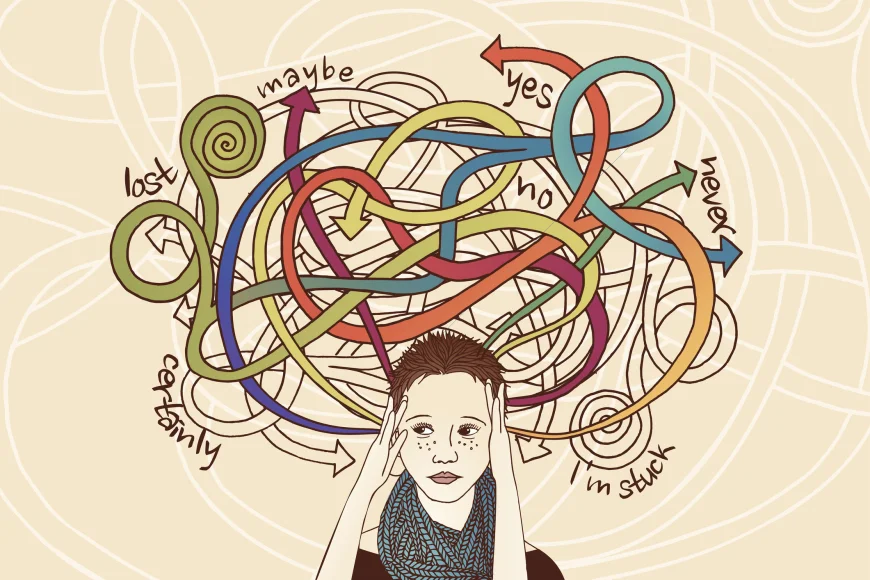


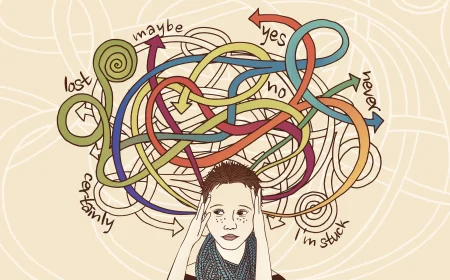
Overthinking was not always this constant. It used to show up in specific moments after a mistake, before an exam, after an argument, or during a big decision. Something temporary, something that passed. But now it doesn’t really pass. It stays. Quietly sitting at the back of everything we do, like a background process that never closes. It has slowly become the default setting of the mind.
You wake up and before your feet even touch the floor, the thinking starts. Not just about what needs to be done, but what could go wrong, what was left unfinished, what someone might think, what you should have said differently yesterday. The mind doesn’t wait for instructions anymore. It just begins. And it doesn’t stop in between either.


Even when nothing is happening, something is happening in the head. Conversations are replayed, messages are reread, meanings are decoded that were probably never meant to be decoded. A simple “okay” becomes a question mark. A delayed reply becomes a story. A small decision becomes a whole map of possible futures. Life, in a way, starts happening twice once in reality and once in the mind.
What makes it even more confusing is that overthinking doesn’t feel unnecessary while it’s happening. It feels responsible. It feels like preparation. Like if you just think a little more, you’ll finally reach clarity, avoid mistakes, make the perfect choice. So you keep going. One more angle. One more scenario. One more explanation. But clarity doesn’t really arrive in that loop. It just stretches the loop further. Part of the reason this has become so normal is because everything around us has become uncertain and fast. Nothing feels small anymore. Every decision feels like it has weight. What to study, where to work, who to trust, what to say, what to post, what not to post. Even silence feels like something that can be misinterpreted. So the mind tries to take control by predicting everything in advance. If you can think of every outcome, maybe nothing will surprise you. Or hurt you. Or fail you.


But life doesn’t really work like that. And the mind doesn’t accept that easily.
There’s also this quiet pressure of comparison that never really leaves. You don’t even have to be actively comparing yourself; it just happens in the background. Someone is doing better, someone is moving faster, someone seems more certain. And suddenly your own pace starts feeling wrong, even if nothing is actually wrong. Overthinking fills that gap too. It starts asking questions that don’t have fixed answers. Am I enough? Am I late? Did I choose wrong? Should I have done something different? And the more you try to answer, the more questions appear. At some point, even rest doesn’t feel like rest. You sit quietly and your mind becomes louder. So you reach for distraction, not because you are bored, but because silence feels too crowded. A phone, a video, a scroll, anything that gives the mind a direction away from itself.
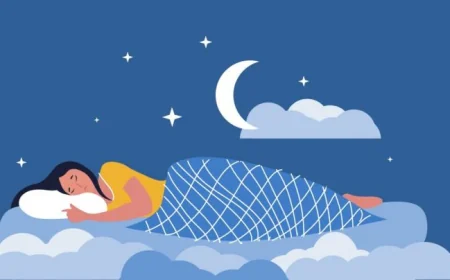
And slowly, without noticing, this becomes routine. Not just something you do during stress, but something you carry everywhere. In conversations. In decisions. In sleep. Even in moments that are supposed to be simple. What’s strange is that people even start identifying with it. “I overthink a lot” becomes a sentence said almost casually, like a personality trait. Something harmless. But underneath it, there is exhaustion that doesn’t always have words. Because overthinking doesn’t just take time. It takes presence. You are never fully in the moment because part of you is always somewhere else, analyzing the moment instead of living it.
And maybe the most ironic part is this: the mind thinks it is protecting you by thinking more. But most of the time, it is just keeping you stuck in places that don’t even exist. Not every situation needs to be solved immediately. Not every thought is a signal. Not every possibility needs to be explored until the end. But the mind forgets that easily.
So overthinking continues; not as an occasional visitor, but as a lifestyle that quietly settles in, until you stop noticing that there was ever a different way to live at all.
What's Your Reaction?
 Like
0
Like
0
 Dislike
0
Dislike
0
 Love
0
Love
0
 Funny
0
Funny
0
 Angry
0
Angry
0
 Sad
0
Sad
0
 Wow
0
Wow
0