

























World's Biggest Addiction




Have you ever wondered what the biggest addiction that has arisen in today’s time is? No, it’s not cigarettes or alcohol; it’s coffee. You probably drink it every single day, maybe even without thinking twice about it. But have you ever questioned why you can’t really start your day without that first cup of coffee anymore?
Coffee consumption has increased rapidly in recent years, especially among students, office workers, and young adults. While coffee is widely enjoyed for its taste and its ability to improve alertness, experts warn that overconsumption can lead to dependency and several physical and mental health issues. In many cases, what starts as a casual habit can slowly develop into caffeine addiction?


Caffeine, the main active ingredient in coffee, is a central nervous system stimulant. It temporarily blocks adenosine, a brain chemical that promotes sleep, which is why coffee helps people feel more awake. However, regular intake can cause the body to build tolerance, meaning individuals need more coffee to feel the same effect. This cycle can lead to dependence, withdrawal symptoms like headaches, irritability, fatigue, and difficulty concentrating when caffeine is not consumed.
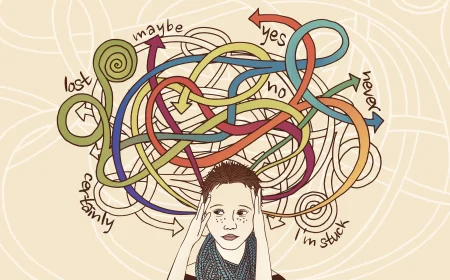
One of the major concerns is its impact on mental health, particularly for people with anxiety disorders. Caffeine stimulates the release of adrenaline, which can increase heart rate, restlessness, and nervousness. For individuals already prone to anxiety, this can intensify symptoms such as panic, excessive worry, and sleep disturbances. Research has shown that high caffeine intake may worsen generalized anxiety disorder (GAD) and panic attacks in sensitive individuals.


Beyond mental health, excessive coffee consumption can also affect sleep quality. Drinking coffee late in the day can disrupt the natural sleep cycle, leading to insomnia or poor-quality sleep. This lack of rest further contributes to stress, fatigue, and reduced productivity, creating a harmful cycle of dependence on caffeine for energy.
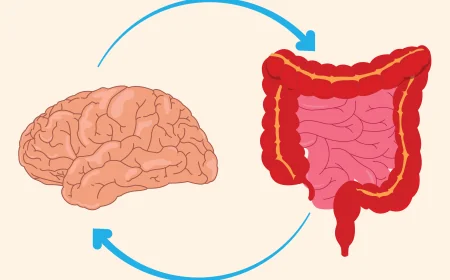
Coffee can also cause physical side effects such as increased blood pressure, acid reflux, digestive issues, and dehydration when consumed in large amounts. While moderate intake (about 1 to 2 cups per day for most healthy adults) is generally considered safe, excessive consumption may outweigh its benefits.
Despite these risks, coffee is not entirely harmful. It contains antioxidants and has been linked to improved focus and reduced risk of certain diseases when consumed responsibly. The key is moderation and awareness of one’s own body response, especially for individuals with anxiety or sleep disorders.
In conclusion, while coffee remains a popular daily habit worldwide, increasing dependence and overuse can have serious effects on both mental and physical health. For people experiencing anxiety, limiting caffeine intake or switching to low-caffeine alternatives may help maintain better emotional balance and overall well-being.
What's Your Reaction?
 Like
0
Like
0
 Dislike
0
Dislike
0
 Love
0
Love
0
 Funny
0
Funny
0
 Angry
0
Angry
0
 Sad
0
Sad
0
 Wow
0
Wow
0