


















Inflation vs Income in Nepal: How the Cost of Living Is Outpacing Earnings

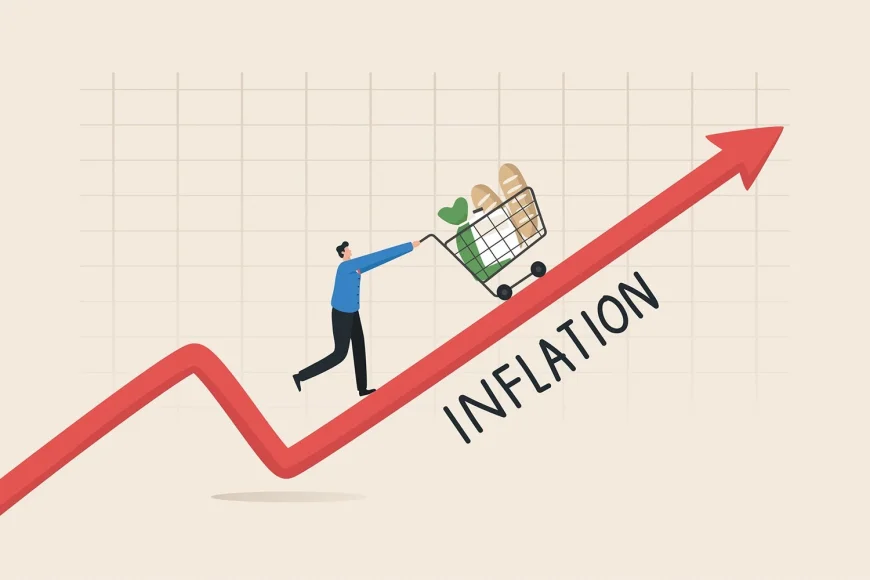


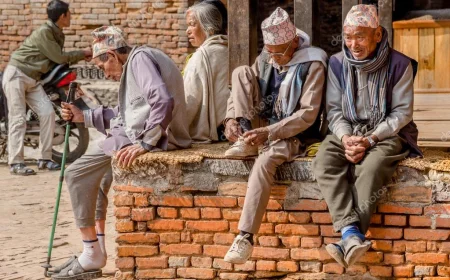
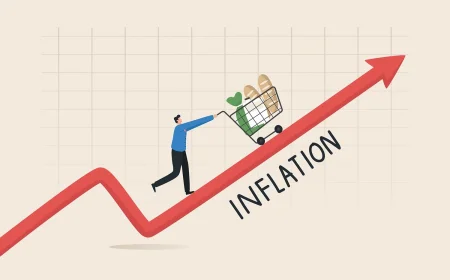
In Nepal, one of the most pressing yet often personally felt economic challenges is the growing gap between income levels and the rising cost of living. While salaries have increased slowly over time, inflation especially in food, housing, fuel, and education has grown at a much faster pace, creating pressure on households across the country.
According to data from the Nepal Rastra Bank (NRB), inflation in Nepal has fluctuated around 6%–8% in recent years, with certain months even crossing double digits due to global fuel price shocks and import dependency. In contrast, average income growth has not matched this pace, particularly in the informal sector where a large portion of Nepal’s workforce is employed.


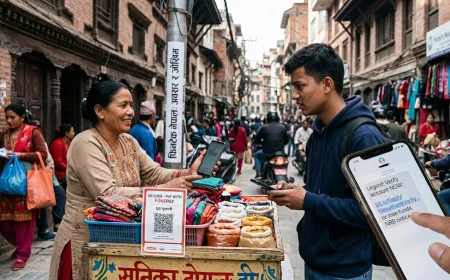
For example, the minimum monthly wage for workers in Nepal was revised to around NPR 17,300 (basic + allowance combined in recent adjustments). However, basic monthly expenses for a single individual in urban areas like Kathmandu often exceed NPR 25,000 to 35,000 when including rent, food, transport, and utilities. This clearly shows a widening gap between earnings and expenses.
Housing costs are one of the biggest contributors to this imbalance. In Kathmandu Valley, rental prices have increased significantly over the past decade. A basic single-room or small apartment that once cost around NPR 5,000 to 8,000 per month can now easily range from NPR 12,000 to 25,000 depending on location and facilities. This increase alone consumes a large portion of monthly income for low and middle-income groups.


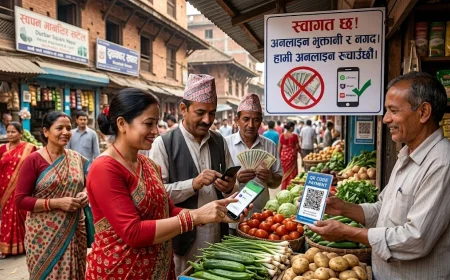
Food inflation also plays a major role. Nepal, being heavily dependent on imports for essential goods like cooking oil, grains, and fuel, is highly sensitive to global price fluctuations. Data from NRB shows that food and beverage inflation often rises faster than overall inflation, directly affecting daily household budgets. Even small increases in vegetable, rice, and edible oil prices significantly impact families with fixed incomes.
Education costs have also seen a sharp rise. Private schools and colleges in urban areas have steadily increased fees, while higher education abroad has become a major financial burden for families. Consultancy driven migration has further increased expenses for students, often requiring lakhs of rupees in preparation, language tests, and visa processes.
Fuel prices are another key factor influencing inflation. Since Nepal imports all its petroleum products, any global increase directly affects transportation, goods delivery, and overall market prices. This creates a ripple effect where even basic goods become more expensive.
Despite these rising costs, wage growth has remained relatively slow. Many private-sector jobs still offer salaries that are not aligned with the current cost of living. This mismatch has led to increased financial stress, migration for better income opportunities abroad, and a growing dependence on remittances.
In conclusion, the data clearly shows a widening gap between inflation and income in Nepal. While prices of essential goods and services continue to rise steadily, income growth has not kept pace. Without structural reforms in wages, employment opportunities, and domestic production, this gap is likely to continue affecting the financial stability of ordinary citizens.
What's Your Reaction?
 Like
0
Like
0
 Dislike
0
Dislike
0
 Love
0
Love
0
 Funny
0
Funny
0
 Angry
0
Angry
0
 Sad
0
Sad
0
 Wow
0
Wow
0