

























Sunil Thapa: Remembering the Actor Who Redefined Villainy in Nepali Cinema
Sunil Thapa, one of Nepal’s most influential actors, passed away at 68 in Kathmandu.Known for transforming villainous roles in Nepali cinema, he left an enduring impact on film and television.

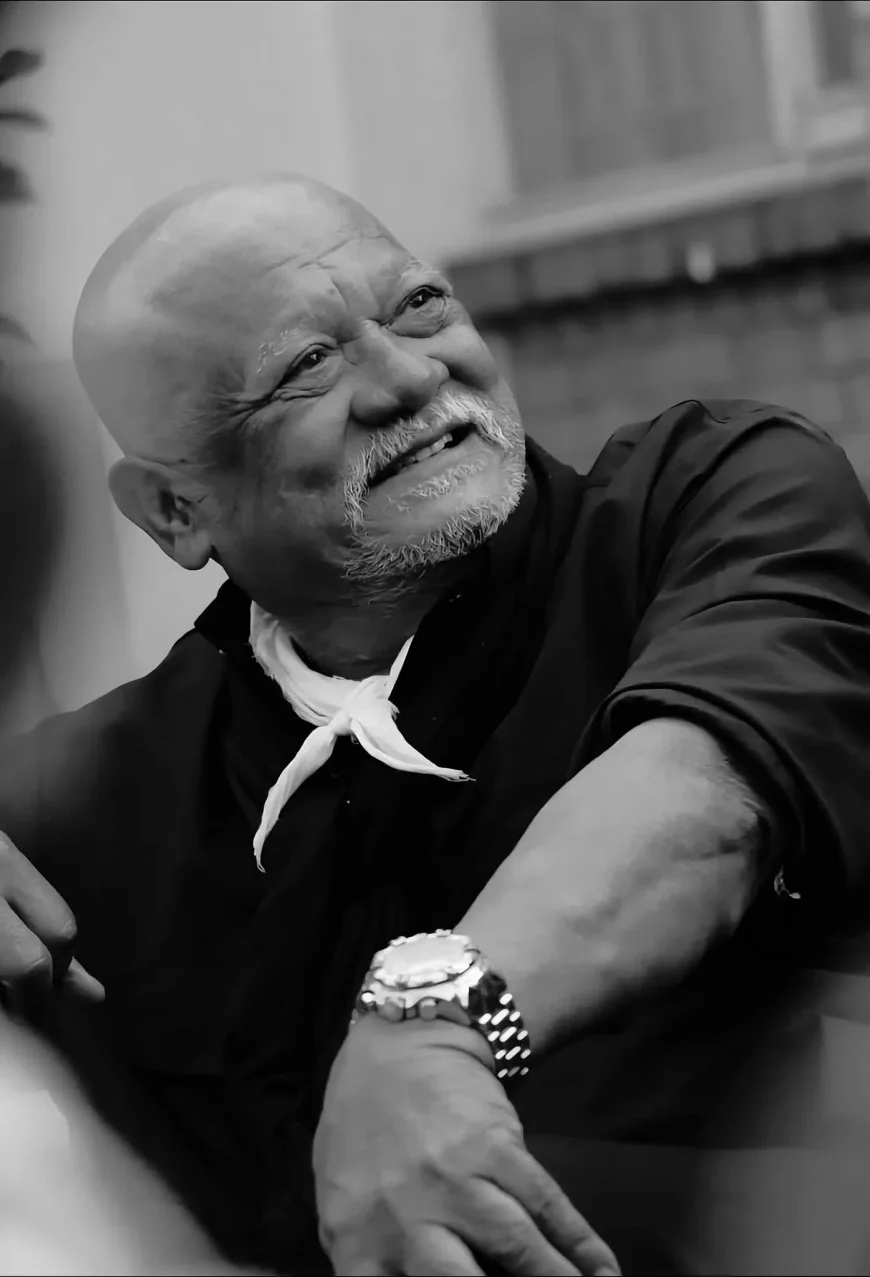


Sunil Thapa, one of Nepal’s most influential film actors, passed away early Saturday morning at Norvic International Hospital in Kathmandu. He was 68. Thapa’s death has sent shockwaves through Nepal’s film industry and beyond, leaving a void that is hard to fill. Known for his commanding presence, meticulous performances, and memorable characters, he transformed how villains were portrayed in Nepali cinema, creating roles that lingered in the audience’s memory long after the screen went dark.
Born on May 19, 1957, Thapa began his career as a model in Mumbai during the 1970s, representing prominent brands such as Binny and Mafatlals. Alongside modelling, he played competitive football and worked as a photojournalist, covering events such as Bhutan’s 1974 coronation. His early exposure to diverse fields helped shape his versatility and disciplined approach to performance.


Thapa made his Bollywood debut in 1981 with the Hindi film Ek Duuje Ke Liye, which brought him recognition among Indian audiences. Returning to Nepal, he rose to stardom with the landmark Nepali film Chino, portraying the antagonist “Ratey Kaila.” His performance was both magnetic and unsettling, earning widespread acclaim. Unlike traditional villains, Thapa’s characters were intelligent, psychologically complex, and grounded in realism, setting a new standard for Nepali cinema.
Over his career, Thapa appeared in more than 138 Nepali films, including Masal, Eklo, and Ram Naam Satya. He also worked in Indian cinema, most notably earning a Filmfare nomination for his role as a boxing coach in Mary Kom. Though often associated with villainous roles, Thapa played a wide range of characters, from mentors and authority figures to revolutionaries and morally conflicted individuals, relying on subtlety, emotional restraint, and precise delivery to create impact.


Thapa’s towering presence, resonant voice, and deliberate performance style redefined villainy in Nepali films, showing that antagonists could be as compelling and memorable as heroes. His work bridged Nepali and Indian cinema, demonstrating the international potential of Nepali actors. Sunil Thapa leaves behind a lasting legacy, inspiring future generations with his craft, discipline, and the iconic characters he brought to life.
What's Your Reaction?
 Like
0
Like
0
 Dislike
0
Dislike
0
 Love
0
Love
0
 Funny
0
Funny
0
 Angry
0
Angry
0
 Sad
0
Sad
0
 Wow
0
Wow
0