


















Nepal: At the Crossroads of Modern Geopolitics

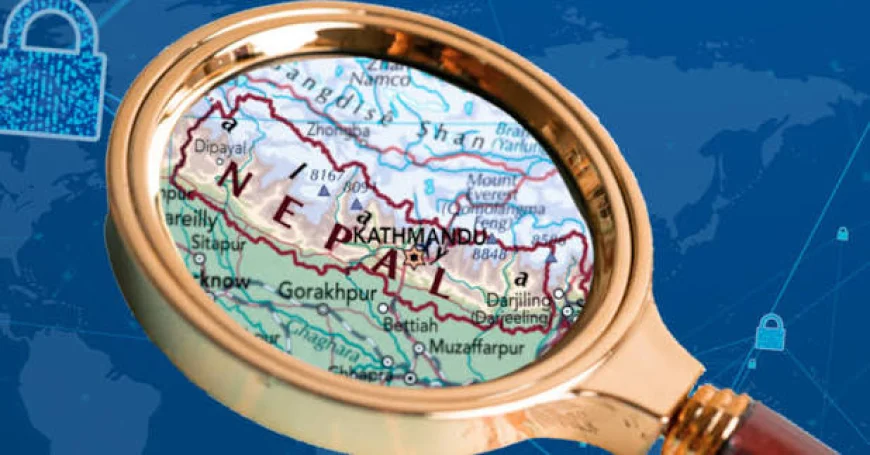


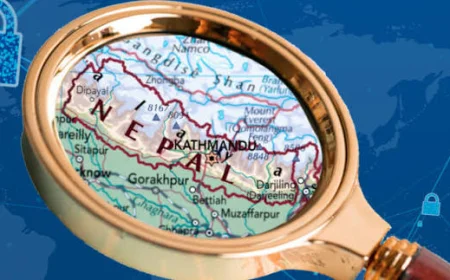
Nepal, once mainly viewed as a small Himalayan buffer state between India and China, is now gradually emerging as a quiet but strategically important space in global geopolitics. Its importance is not because of military power or economic size, but because of its geography, its growing development partnerships, and the increasing competition among global powers in South Asia.
Nepal sits between two of the world’s most influential neighbors India and China. It shares an open and deeply integrated border with India, along with long-standing cultural, economic, and social ties. At the same time, it also borders China, which has expanded its regional outreach over the past decade through infrastructure investment and diplomatic engagement. This unique location makes Nepal more than just a landlocked country; it makes it a bridge between South Asia and East Asia, placing it at the center of regional connectivity discussions.


India continues to be Nepal’s most significant economic partner. A large share of Nepal’s trade, imports, and daily essential supplies comes from India. The open border allows free movement of people and labor, and millions of Nepalis have historically relied on India for employment, education, and healthcare opportunities. This long-standing relationship ensures that India remains deeply embedded in Nepal’s economy and society, making bilateral ties crucial for both stability and growth.
On the northern side, China’s presence in Nepal has expanded significantly through infrastructure development and diplomatic cooperation. Under the Belt and Road Initiative, several projects related to roads, hydropower, and cross-border connectivity have been proposed or initiated. While not all projects have moved at the same speed, China’s growing interest in Nepal reflects its broader goal of strengthening regional connectivity and expanding influence in South Asia.


Beyond these two neighbors, Nepal has also attracted attention from Western countries, especially the United States and European partners, mainly through development assistance and infrastructure support. The Millennium Challenge Corporation agreement, focused on electricity transmission and road development, sparked internal political debate in Nepal and highlighted how even development projects can carry geopolitical implications. This shows that Nepal is no longer seen only through a bilateral lens but is increasingly part of broader global strategic thinking.
Despite this growing international attention, Nepal continues to follow a policy of non-alignment, officially maintaining friendly relations with all countries and avoiding alignment with any military or strategic bloc. However, maintaining this balance has become increasingly complex. Every major power engaging in Nepal brings its own interests, expectations, and influence, making diplomatic neutrality more challenging in practice than in policy.
Internally, Nepal’s political instability also affects its geopolitical positioning. Frequent changes in government and shifting policy priorities make it difficult to maintain long-term foreign policy consistency. This creates gaps in execution and sometimes weakens Nepal’s negotiating position in international agreements, allowing external influence to grow in certain sectors.
Economically, Nepal’s heavy dependence on remittances adds another layer to its global positioning. A significant portion of national income comes from Nepalis working abroad, especially in the Gulf countries, Malaysia, India, and beyond. This reliance on foreign labor markets means that Nepal’s economy is indirectly shaped by international labor policies, migration agreements, and diplomatic relations.
At the same time, Nepal’s hydropower potential has become an important strategic asset. Both India and China have shown interest in energy cooperation, seeing Nepal as a future source of clean electricity in the region. Cross-border energy trade and infrastructure development in this sector are increasingly tied to regional cooperation frameworks, adding an economic dimension to geopolitical competition.
Climate change has also placed Nepal in the global spotlight. As part of the Himalayan region, it is highly vulnerable to environmental changes such as glacier melting, floods, and landslides. This vulnerability has brought Nepal into international climate discussions, where it is often recognized as a frontline country in climate adaptation and resilience efforts.
Overall, Nepal’s role in geopolitics is no longer limited to being a passive buffer between two powers. It is now a country whose geography, resources, and development trajectory naturally place it within overlapping spheres of global interest. While Nepal may not be a major power itself, its strategic location ensures that it remains relevant in regional and international politics. The key challenge ahead is not just engagement with global powers, but maintaining sovereignty, stability, and balanced diplomacy in an increasingly competitive world.
What's Your Reaction?
 Like
0
Like
0
 Dislike
0
Dislike
0
 Love
0
Love
0
 Funny
0
Funny
0
 Angry
0
Angry
0
 Sad
0
Sad
0
 Wow
0
Wow
0