



















Why Career Conversations in Nepal Always Start With “Abroad”



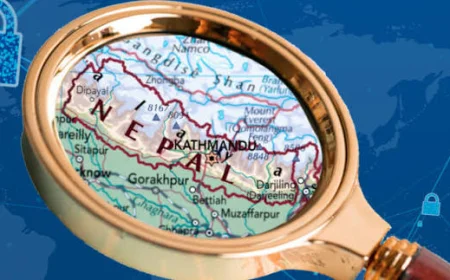
In Nepal, one of the most common questions after completing SEE, +2, or even a bachelor’s degree is not “What do you want to do?” but rather “Are you not going abroad ?” It has become so normal that career conversations almost automatically begin with the idea of leaving the country. For many young people, “career planning” and “going abroad” are now closely linked, even before exploring opportunities within Nepal.
This is not just a cultural habit. It is deeply connected to real economic patterns, job markets, and long-term trends in the country.


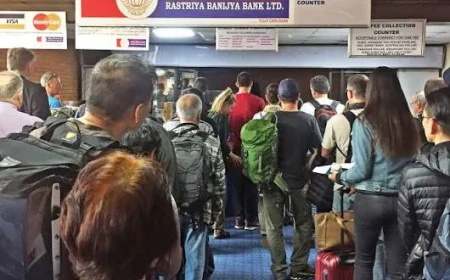
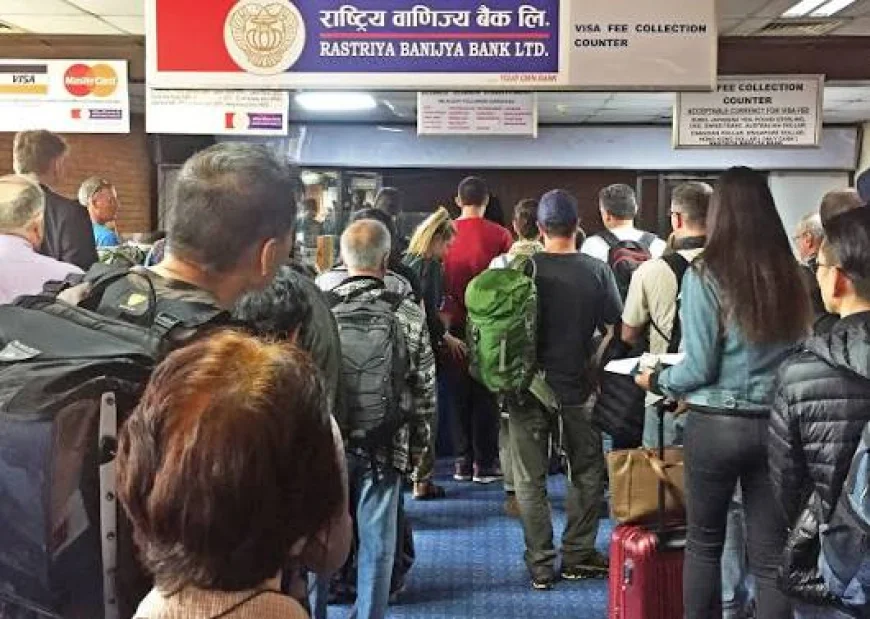
One of the strongest reasons behind this mindset is the scale of foreign employment itself. According to Nepal’s Department of Foreign Employment data and research compiled by labour organizations, hundreds of thousands of Nepalis go abroad for work every year. In recent years, estimates show that around 4 to 7 lakh Nepalis receive labor approvals annually for foreign employment, with a large share of the workforce concentrated in Gulf countries and Malaysia. Many reports also suggest that around 1,000 to 3,000 young Nepalis leave the country every day for work opportunities abroad. This constant movement has made migration feel like a “default path” rather than an exception.
Because of this scale, almost every household in Nepal has a direct or indirect migration story. A brother in Qatar, a cousin in Malaysia, a neighbor in Dubai, or a friend preparing documents for Korea or Australia. So when a young person finishes their studies, the first set of visible examples they see are often not local job success stories, but foreign employment journeys.


Another major factor is the structure of Nepal’s job market. While Nepal’s economy has grown in services and remittances, formal job creation has not kept pace with the number of graduates entering the workforce each year. Agriculture still employs a large share of the population, and many jobs remain informal or low-paying compared to expectations set by education and rising living costs. This creates a gap between qualification and opportunity.
In simple terms, many young people study more than ever before, but feel the number of “matching jobs” inside the country is limited.
This gap pushes career conversations toward migration very early. Families often do not even ask “What field are you interested in?” Instead, discussions quickly move to which country is easier to go to, what language is required, how much it costs, and how long the process takes. Over time, this shapes how youth themselves think about their future.
Remittances also play a powerful role in normalizing this trend. Nepal receives remittances worth a significant portion of its economy recent estimates suggest it contributes around one-fourth to one-third of GDP in some years. This means foreign income is not just common; it is economically essential for millions of households. In many families, daily life education, food, housing, loans is directly supported by someone working abroad. So migration is not just seen as opportunity, but as stability.
Social perception adds another layer. In many communities, someone going abroad is still often seen as “settling well” financially, even if the work is physically demanding. At the same time, staying in Nepal without a stable job is sometimes viewed as uncertainty. This perception influences how young people define success before they even start their careers.
But this mindset also creates silent pressure. For many students, the question is no longer “What do I want to become?” but “Where should I go?” Career exploration becomes country selection instead of skill development. Even ambitions like entrepreneurship or local jobs are often postponed until “after going abroad.”
However, this does not mean Nepal lacks opportunities entirely. In recent years, there has been growth in sectors like IT outsourcing, freelancing, startups, tourism, and digital work. More young Nepalis are also beginning to explore remote work and online income sources. But these paths are still less visible compared to the dominant migration narrative.
So the conversation starts with “abroad” not because young people lack ambition, but because the system around them has made it the most visible, most practiced, and most socially reinforced option.
In the end, career discussions in Nepal reflect a deeper reality: when a country’s strongest success stories are built outside its borders, it naturally shapes how the next generation imagines its future.
The question is no longer just why conversations start with abroad—but how long it will take for “staying” to become an equally strong first option.
What's Your Reaction?
 Like
0
Like
0
 Dislike
0
Dislike
0
 Love
0
Love
0
 Funny
0
Funny
0
 Angry
0
Angry
0
 Sad
0
Sad
0
 Wow
0
Wow
0