



























High Sugar Intake Linked to Increased Risk of Heart Disease
Excessive sugar consumption is strongly associated with a higher risk of cardiovascular disease.Experts warn that sugary drinks, desserts, and processed foods can elevate blood pressure and cholesterol levels.Reducing added sugar in the diet can significantly improve heart health.

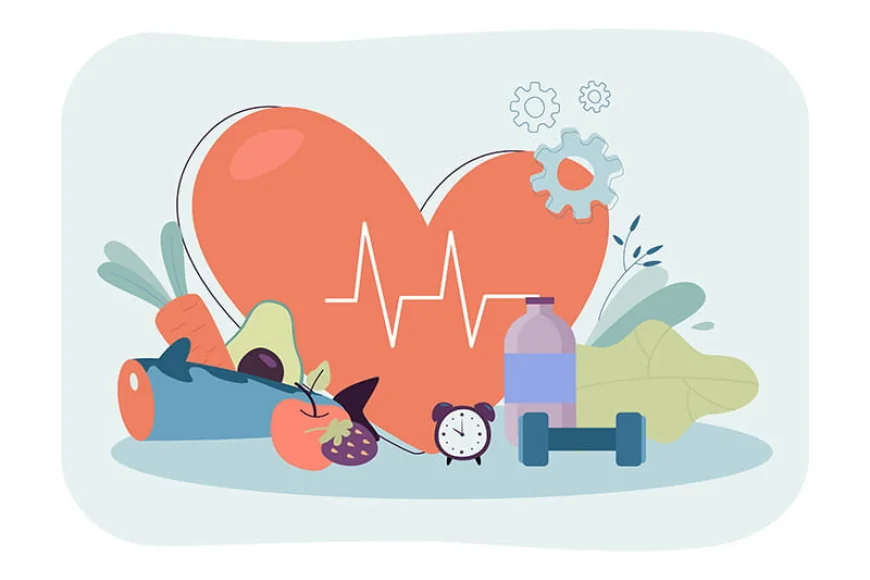


A growing body of research shows that consuming high amounts of sugar can significantly increase the risk of heart disease. Sugary foods and beverages, including soft drinks, candies, pastries, and processed snacks, contribute to elevated blood pressure, high triglycerides, and harmful cholesterol levels, all key factors for cardiovascular problems.
Experts emphasize that sugar intake does not only affect weight but also directly impacts heart health. Excess sugar can lead to inflammation, insulin resistance, and metabolic syndrome, creating conditions that make the heart more vulnerable to disease.


Health organizations recommend limiting added sugar to no more than 25–36 grams per day for adults, roughly six to nine teaspoons. Reading nutrition labels and avoiding sugary drinks are practical steps to reduce daily sugar intake.
Replacing sugary snacks with natural alternatives such as fruits, nuts, and whole grains can provide essential nutrients without harming the heart. Experts also suggest cooking meals at home more often, which allows better control over sugar and salt levels.


Regular physical activity further reduces the cardiovascular risks linked to high sugar consumption. Exercise helps regulate blood sugar levels, improves cholesterol balance, and strengthens the heart muscle, contributing to overall wellbeing.
Public awareness campaigns and education on healthy diets are crucial for reducing the health burden caused by sugar. People are encouraged to make gradual, sustainable changes to their lifestyle rather than relying on temporary “quick fixes.”
By making informed dietary choices, limiting sugar, and staying active, individuals can protect their heart, improve long-term health outcomes, and significantly reduce the risk of cardiovascular disease.
What's Your Reaction?
 Like
0
Like
0
 Dislike
0
Dislike
0
 Love
0
Love
0
 Funny
0
Funny
0
 Angry
0
Angry
0
 Sad
0
Sad
0
 Wow
0
Wow
0