


















Old Age Struggles in Nepal: A Silent Crisis of Neglect and Survival

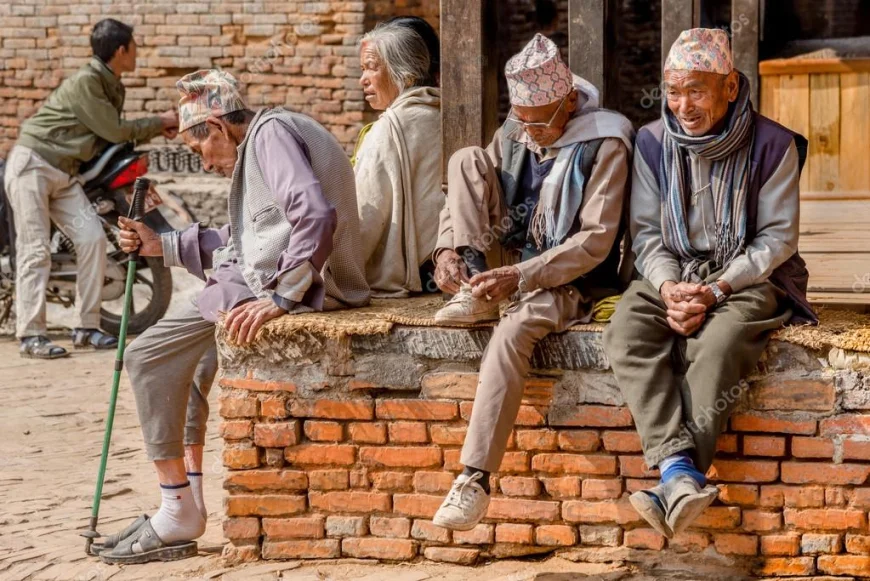


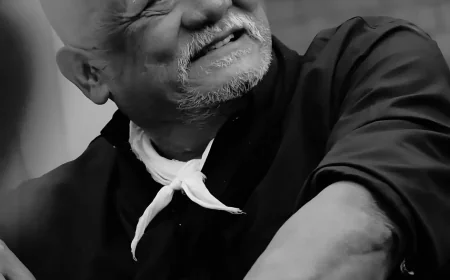
Old age in Nepal is not just a stage of life, it has slowly become a long, silent struggle shaped by migration, economic pressure, and a fragile support system that often fails to hold the people who once held everything together.
For many elderly citizens, life begins with memories of sacrifice. They worked in farms, built homes brick by brick, raised children with the belief that those children would one day be their strength. But that promise is increasingly broken by necessity. Nepal’s economy and limited opportunities push millions of young people abroad for employment. And when they leave, they do not just leave a house, they leave behind aging parents who now live in rooms filled with silence.


There are villages where old parents sit by the door every evening, not waiting for visitors, but for a phone call that may or may not come that day. Some speak to their children across continents, hearing their voices through crackling connections, trying to hide the loneliness behind “I am fine.” And then there are those who grow old without regularly seeing their grandchildren, knowing their laughter only through screens, watching them grow in photographs sent from abroad. A generation that once lived together now exists across borders, separated not by choice but by survival.
This separation is not just emotional, it reshapes daily life. Simple tasks become challenges. Fetching water, visiting health posts, or even walking to nearby shops becomes difficult as age weakens the body. Chronic illnesses like arthritis, diabetes, hypertension, and heart disease are common, but healthcare remains uneven. In rural areas especially, hospitals are far, transportation is expensive, and regular medication becomes a luxury rather than a necessity.


Even in cities, where hospitals exist, the cost of treatment can consume a large part of a senior citizen’s limited income or allowance. The government’s old age allowance exists as a form of social security, but for many, it is not enough to cover even basic needs like food, medicine, and utilities. What is meant to be support often feels symbolic present on paper, but thin in reality.
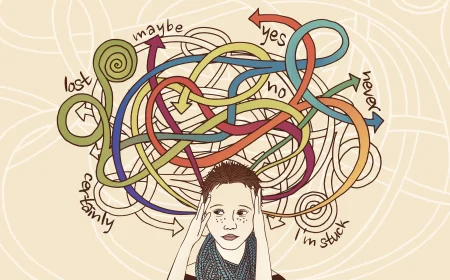
But the hardest struggle is not always physical or financial. It is emotional. Aging in Nepal often comes with a quiet kind of invisibility. Many elderly people stop sharing their pain because they do not want to burden their children abroad. They reduce their needs, adjust their expectations, and slowly learn to live within loneliness. Over time, silence becomes routine. They eat alone, sleep alone, and wait alone but rarely complain.
The traditional joint family system that once provided natural care for elders is weakening. Urban migration has turned multi-generation households into empty spaces. Even in families where elders live with relatives, attention is often divided by work pressure, technology, and fast paced life. Care becomes functional rather than emotional food is given, medicine is bought, but companionship is missing.
There is also a deeper societal issue: the absence of a strong, dignified elderly care system. Old age homes exist, but they are not enough in number, nor widely accessible or culturally accepted. Community-based support systems are still weak, and policy level implementation often falls short of real needs. As a result, aging becomes a private struggle carried quietly inside homes, rather than a shared responsibility of society.
What makes this reality even more painful is the contrast. These are the same individuals who once carried entire families through hardship who endured poverty, political instability, and lack of resources so their children could have a better future. Yet when they reach a stage where they need support the most, they are often met with limited systems, stretched families, and emotional distance.
Old age in Nepal, therefore, is not simply about growing older. It is about negotiating dignity in a system that often provides only the bare minimum. It is about learning to live with absence of children, of grandchildren, of adequate care, and sometimes even of recognition.
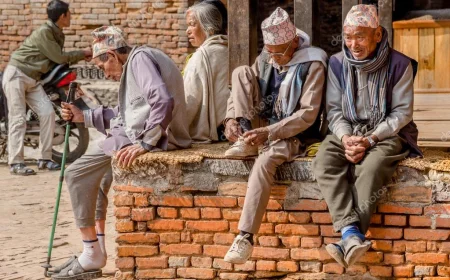
And still, they continue. They wake up each morning, tend to small routines, water plants, sit in the sun, wait for calls, and hold onto memories. Quietly. Patiently. Without demanding much.
Perhaps the most difficult part is this silence not because they have nothing to say, but because they have learned that the world is too busy to listen.
In the end, the question remains not just about aging, but about responsibility: what does a nation owe to those who built its foundation, and why does dignity so often feel like something people must survive without rather than receive as a right?
What's Your Reaction?
 Like
0
Like
0
 Dislike
0
Dislike
0
 Love
0
Love
0
 Funny
0
Funny
0
 Angry
0
Angry
0
 Sad
0
Sad
0
 Wow
0
Wow
0