



















The Silent Gap Between Policy and Reality

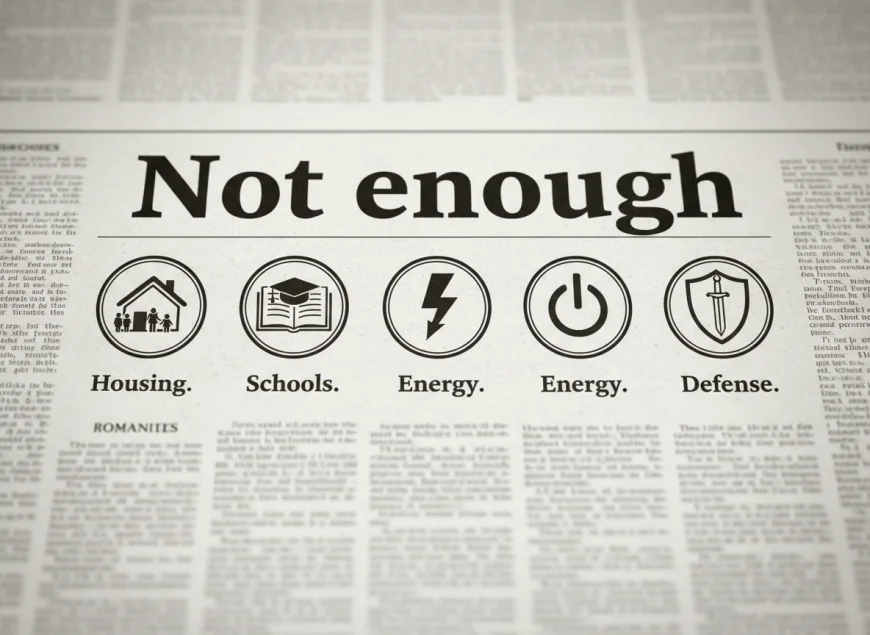


Nepal is a country where policies are often ambitious, detailed, and full of promise. Every year, new plans are announced better education systems, improved healthcare, stronger infrastructure, youth employment programs, digital governance, and more inclusive development goals. On paper, these policies sound progressive and aligned with national needs. But when we look at the ground reality, a different picture appears. This distance between what is planned and what is actually implemented has become one of Nepal’s most persistent development challenges.
A clear example can be seen in infrastructure development. Large national projects such as highways, irrigation systems, and hydropower plants are repeatedly approved with high expectations. However, many of these projects face long delays, cost overruns, or remain incomplete for years. According to a recent World Bank analysis on Nepal’s public investment system, capital spending is consistently under executed, with only around 60% of allocated capital budgets actually being used in some fiscal years.This means that even when funds are planned and approved, a significant portion does not translate into real physical progress on the ground.


One major reason behind this gap is the complexity of execution. For instance, infrastructure projects in Nepal often get delayed due to land acquisition issues, environmental clearances, and lengthy administrative procedures. What looks like a simple road on a government map can take years to materialize because multiple approvals are required at different levels. Even when projects start, frequent changes in contractors, political interference, and weak monitoring slow them down further.
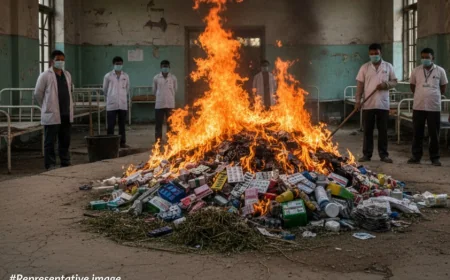
The same gap appears in the health sector. Nepal’s health policies have long focused on universal access and improving primary healthcare. Yet, in many rural and remote areas, people still struggle to access basic services. Studies on Nepal’s health system show that although healthcare facilities exist in structure, service quality and availability remain inconsistent, especially outside major cities. Medicines are often unavailable, doctors are unevenly distributed, and patients still travel long distances for treatment despite policies promising local access.


Education is another strong example. Nepal’s education policies emphasize quality learning, skill development, and equal access. However, the reality in many public schools shows gaps in infrastructure, teaching quality, and learning outcomes. Urban schools often perform significantly better than rural ones, and students from under-resourced areas still face limited opportunities despite national-level reforms. This reflects not just a policy issue, but a deeper implementation and resource distribution problem.
At the governance level, Nepal has moved into a federal system with the intention of bringing services closer to citizens. In theory, local governments now have more authority to design and implement development projects. But in practice, many local bodies still struggle with limited technical staff, lack of experience, and unclear coordination between federal, provincial, and local levels. This results in uneven implementation some municipalities perform well, while others are unable to fully execute even basic plans.
A broader issue behind all of this is capacity. Nepal’s policymaking often focuses more on drafting new policies rather than strengthening the systems needed to implement them. Experts have repeatedly pointed out that weak institutional coordination, shortage of trained human resources, and poor accountability mechanisms are major reasons why policies fail to deliver expected outcomes.
Another important factor is that policies are sometimes designed without fully understanding local realities. What works in theory or in urban settings may not be practical in rural and geographically difficult regions. This creates a mismatch between intention and execution, where policies are ambitious but not always grounded in implementation capacity.
As a result, citizens often experience a different version of governance than what is written in official documents. Promises of better services, faster development, and improved systems are frequently delayed or only partially fulfilled. This gap slowly builds public frustration and reduces trust in institutions, even when intentions may be positive.
The silent gap between policy and reality in Nepal is not caused by a single factor. It is the combined result of administrative delays, resource limitations, coordination problems, and sometimes unrealistic planning. But recognizing this gap is important, because it is the first step toward closing it.
Policies are not meant to remain as documents they are meant to become lived experiences. And until that transformation becomes consistent, Nepal will continue to face the challenge of having strong plans but uneven outcomes.
In the end, the real question is not whether Nepal has good policies. It does. The question is whether those policies are reaching the people they were designed for.
What's Your Reaction?
 Like
0
Like
0
 Dislike
0
Dislike
0
 Love
0
Love
0
 Funny
0
Funny
0
 Angry
0
Angry
0
 Sad
0
Sad
0
 Wow
0
Wow
0