












Trump’s Iran Policy and Its Global Implications
The article explains Donald Trump’s hardline Iran policy, focused on “maximum pressure” through strict sanctions and withdrawal from the 2015 nuclear deal, which increased tensions between the U.S. and Iran. It highlights how Iran responded by expanding its nuclear activities and how the move impacted regional stability and global energy routes. It also notes that Trump continues to defend this approach, while international powers push for diplomatic solutions. The ongoing U.S.–Iran tensions remain a key global issue affecting security, diplomacy, and oil markets worldwide.

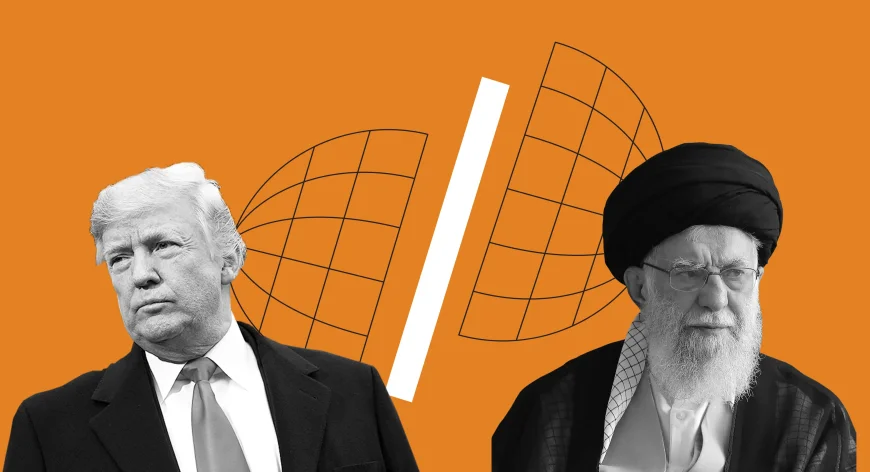


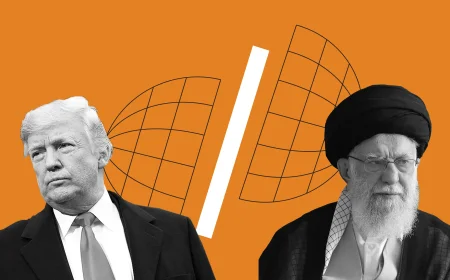
The relationship between the United States and Iran has long been one of the most sensitive and complex issues in global politics. In recent years, discussions around former U.S. President Donald Trump’s Iran policy have once again gained attention, as tensions in the Middle East continue to influence international security, energy markets, and diplomatic relations.
Trump’s approach toward Iran during his presidency was largely defined by a “maximum pressure” strategy. This included the reimposition of strong economic sanctions after the U.S. withdrew from the 2015 Iran nuclear agreement (JCPOA). The deal, originally signed between Iran and major world powers, was designed to limit Iran’s nuclear activities in exchange for relief from sanctions. However, the U.S. exit from the agreement in 2018 significantly changed the regional and global balance.


Following the withdrawal, the Trump administration imposed strict sanctions targeting Iran’s oil exports, banking sector, and key industries. The goal, according to U.S. officials at the time, was to reduce Iran’s economic capacity to fund regional military activities and to pressure Tehran into negotiating a new agreement with stricter conditions. Iran, however, responded by gradually reducing its compliance with nuclear restrictions, increasing uranium enrichment levels, and expanding its nuclear program activities.
This cycle of pressure and response contributed to rising tensions between the two countries, including military confrontations in the Gulf region and heightened instability across parts of the Middle East. Global shipping routes, particularly in the Strait of Hormuz, one of the world’s most important oil transit points were also affected by periodic security threats during this period.


In the post-presidency period, Trump has continued to defend his Iran policy, repeatedly stating that his administration’s hardline stance prevented Iran from gaining access to nuclear weapons and maintained stronger deterrence in the region. He has also criticized alternative diplomatic approaches, arguing that economic pressure is the most effective tool to manage Iran’s nuclear ambitions and regional influence.
Meanwhile, international actors including the European Union, China, and Russia have continued to support diplomatic engagement with Iran, emphasizing the importance of dialogue and gradual negotiations. Several rounds of indirect talks have taken place in recent years, aiming to reduce tensions and revive some form of nuclear agreement framework. However, progress has remained slow and uncertain.
Iran, for its part, continues to insist that its nuclear program is peaceful and within its sovereign rights. Iranian officials have also blamed U.S. sanctions for economic hardship in the country, including inflation, currency instability, and reduced foreign investment. Despite this, Tehran has maintained its strategic regional influence and continues to play a significant role in Middle Eastern geopolitics.
The situation remains highly complex, with no clear long-term resolution in sight. Analysts argue that the future of U.S.–Iran relations will depend on a combination of political leadership changes, regional security developments, and international diplomatic pressure. Any shift in U.S. policy especially under influential political figures like Trump can have immediate effects on global oil prices, security alliances, and diplomatic stability.
As the world watches closely, the Iran issue continues to represent one of the most delicate balancing acts in international relations, where diplomacy, deterrence, and economic pressure intersect on a global scale.
What's Your Reaction?
 Like
0
Like
0
 Dislike
0
Dislike
0
 Love
0
Love
0
 Funny
0
Funny
0
 Angry
0
Angry
0
 Sad
0
Sad
0
 Wow
0
Wow
0