






















Rising Digital Payment Adoption in Nepal
Nepal is witnessing rapid growth in digital payments as mobile wallets and online banking become increasingly popular across urban and semi urban areas. Platforms like eSewa, Khalti, IME Pay, and mobile banking services are driving a shift toward cashless transactions, supported by improved internet access and smartphone usage. While adoption is rising, challenges such as digital literacy gaps, cybersecurity risks, and limited rural infrastructure still remain.

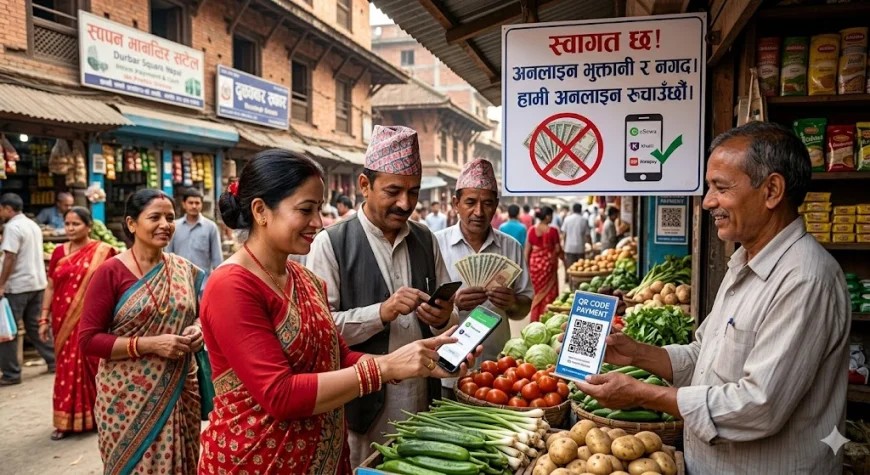


Nepal is experiencing a steady transformation in its financial behavior as digital payment systems become increasingly integrated into daily life. From urban centers to growing semi urban markets, mobile wallets and online banking platforms are reshaping how people transfer money, pay for goods and services, and manage personal finances.
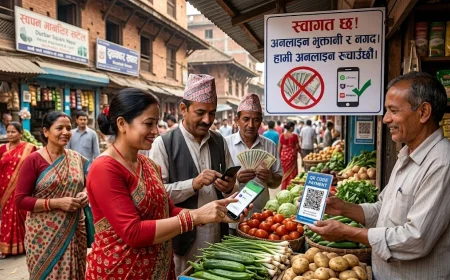
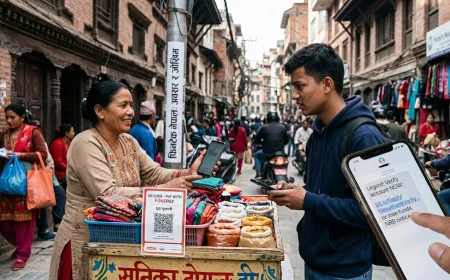
Over the past few years, platforms such as eSewa, Khalti, IME Pay, and mobile banking services offered by commercial banks have seen a significant rise in user adoption. QR based payment systems have become especially popular among small businesses, allowing even roadside vendors, tea shops, and grocery stores to accept cashless payments with ease.


Financial experts note that this shift was accelerated during the COVID 19 pandemic, when contactless transactions became necessary for safety reasons. Since then, digital finance has continued to expand, supported by improved smartphone penetration, cheaper internet access, and increasing awareness of digital tools among the general public. The banking sector has also played a key role in promoting digital transactions by introducing user friendly mobile applications, reducing transaction costs, and encouraging customers to adopt online banking services. Government initiatives aimed at promoting financial inclusion have further supported the growth of digital payments, especially among young people and urban workers.
Despite this progress, challenges still remain. In many rural and remote areas, limited internet connectivity and lack of digital infrastructure continue to restrict access to online financial services. Additionally, digital literacy remains a concern, as some users struggle to understand secure transaction practices, increasing vulnerability to fraud and cyber risks. Cybersecurity threats and occasional technical failures also raise concerns about the reliability of fully digital systems. Experts emphasize the need for stronger regulatory frameworks, improved cybersecurity measures, and nationwide awareness campaigns to ensure safe and sustainable adoption of digital finance.


On the positive side, the growing use of digital payments is helping increase transparency in financial transactions and reduce dependency on cash handling. This shift is also contributing to better financial record keeping for small businesses and individuals, making economic activities more traceable and efficient.
Looking ahead, Nepal is gradually moving toward a hybrid financial system where cash and digital payments coexist, with a long term vision of building a more cashless economy. If infrastructure, education, and trust in digital systems continue to improve, digital payments are expected to play a central role in shaping the country’s financial future.
What's Your Reaction?
 Like
0
Like
0
 Dislike
0
Dislike
0
 Love
0
Love
0
 Funny
0
Funny
0
 Angry
0
Angry
0
 Sad
0
Sad
0
 Wow
0
Wow
0