























The Education System Problem: Are We Teaching Skills or Just Exams?

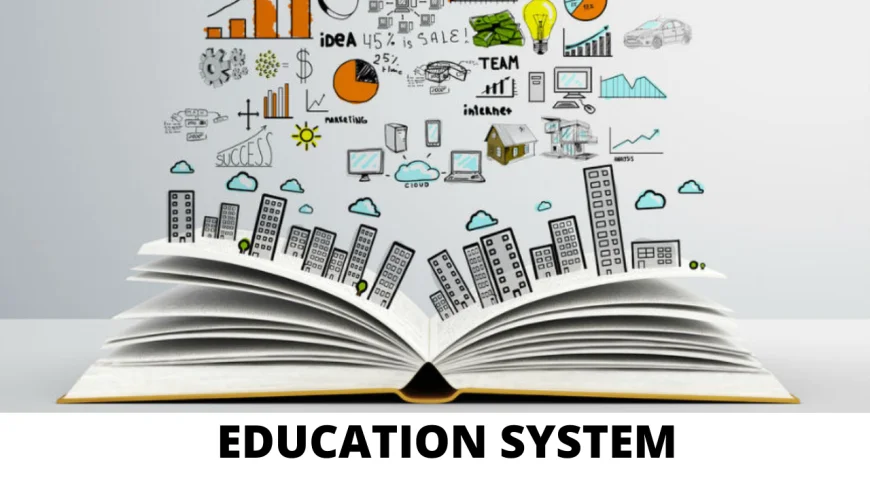


For years, education has been considered the foundation of a successful future. Students spend more than a decade in classrooms, preparing for exams, completing assignments, and collecting certificates. But an important question remains: are we truly preparing students for life, or are we only preparing them to pass exams?
The modern education system often focuses heavily on grades and memorization rather than practical skills and real-world knowledge. Many students are trained to remember information for a test but struggle to apply that knowledge outside the classroom. A high score may show academic performance, but it does not always represent creativity, problem-solving ability, communication skills, or emotional intelligence.


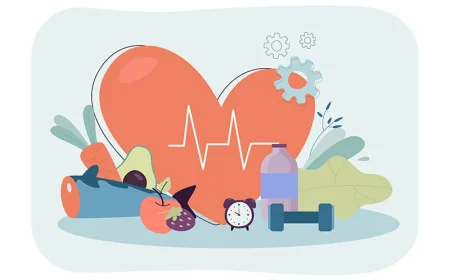
Education should not only be about producing students who can write perfect answers on paper. It should be about developing individuals who can think independently, adapt to change, solve problems, and make decisions. In a world where technology and industries are constantly evolving, skills such as critical thinking, financial literacy, digital knowledge, teamwork, and leadership have become just as important as academic knowledge.
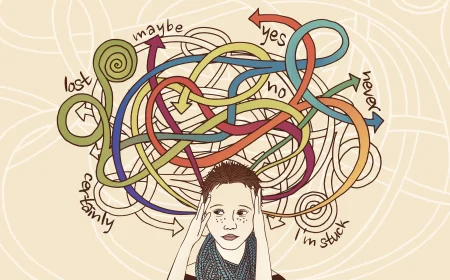
One of the biggest challenges students face is the pressure created by an exam-centered system. Many young people experience stress and anxiety because their entire future is often connected to a single exam result. This creates a culture where students fear failure instead of learning from mistakes. Education should encourage curiosity and growth, not just competition.


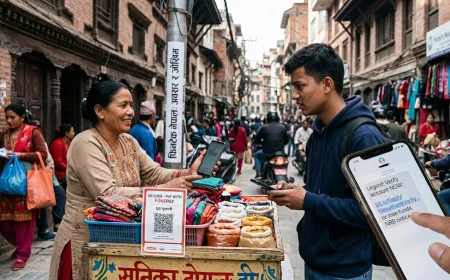
This issue is especially visible in countries like Nepal, where many students complete their education but still struggle to find employment due to a gap between academic learning and workplace skills. Degrees are important, but without practical experience and skills, students often find it difficult to adapt to professional environments.
Teachers and institutions play a major role in changing this approach. Classrooms should become spaces where students are encouraged to ask questions, explore ideas, and develop their abilities beyond textbooks. A good education system should recognize different talents instead of measuring every student through the same standard.
Exams can measure knowledge, but they cannot measure a person’s full potential. The purpose of education should not simply be to create students who can pass tests; it should create individuals who can face challenges, contribute to society, and build a better future.
The real question is not whether students are learning enough, but whether they are learning what truly matters.
What's Your Reaction?
 Like
0
Like
0
 Dislike
0
Dislike
0
 Love
0
Love
0
 Funny
0
Funny
0
 Angry
0
Angry
0
 Sad
0
Sad
0
 Wow
0
Wow
0