


















Education or Burden? The Growing Pressure on School Children in Nepal

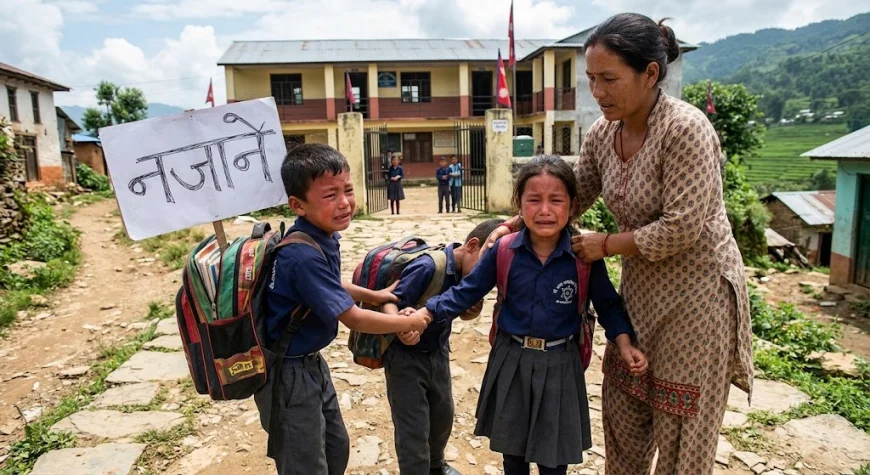


Education or Burden? The Growing Pressure on School Children in Nepal
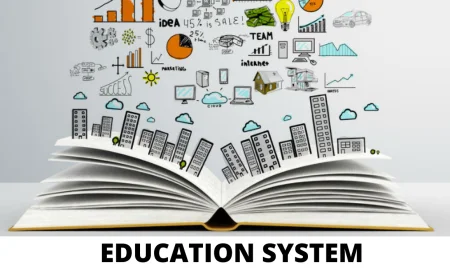
Education in Nepal is widely seen as the foundation of opportunity, progress, and social mobility. However, for many school going children today, it is increasingly becoming a source of pressure rather than empowerment. From heavy academic workloads to competitive expectations and rising costs, schooling is gradually turning into a burden that affects both mental well being and childhood experience.
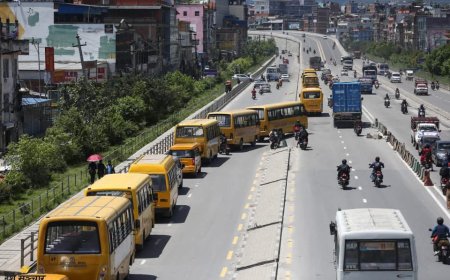
One of the most visible issues is the increasing academic load on students. School curriculam have expanded over the years, with students often required to study multiple subjects, complete frequent assignments, prepare for regular tests, and attend extra coaching classes. In many urban schools, children spend long hours in classrooms and tuition centers, leaving very little time for rest, creativity, or play. This has raised concerns about whether the education system is prioritizing learning or memorization.


Alongside academic pressure, competition has also intensified significantly. Students are constantly evaluated through exams, rankings, and grades, creating an environment where performance becomes more important than understanding. In many cases, children as young as primary level are exposed to competitive comparisons, which can lead to stress, anxiety, and fear of failure. Education experts often warn that such early exposure to pressure can negatively affect long term cognitive and emotional development.
The financial burden of education is another growing concern for families. While public schools are relatively affordable, many parents in urban and semi urban areas prefer private schools, believing they offer better quality education. According to various education sector estimates, private school fees, along with additional costs for books, uniforms, transportation, and extracurricular activities, can take up a significant portion of a household’s income. For middle-class families, this often creates financial strain, especially when multiple children are enrolled in school.


In addition to formal schooling, the rise of tuition culture has further increased pressure on students. Coaching classes and private tutoring have become almost essential in many areas, particularly for exam preparation. This has extended students’ study hours well beyond school time, reducing opportunities for rest and personal development. Many children now follow tightly packed daily schedules that begin early in the morning and end late in the evening.
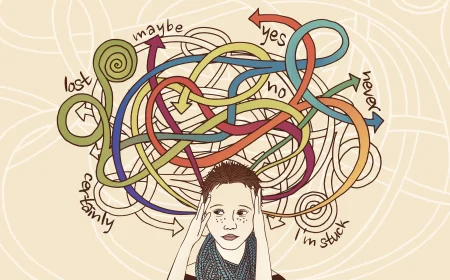
Mental health is another critical dimension of this issue. Studies and reports from education and child welfare organizations have increasingly highlighted rising levels of stress, anxiety, and burnout among students. The constant pressure to perform well academically, meet parental expectations, and secure future opportunities has made school life mentally exhausting for many children. However, discussions around student mental health still remain limited in many parts of the country.
Parents and society also play a major role in shaping this pressure. In many households, academic success is seen as the primary measure of a child’s future security. This often leads to high expectations, where children are pushed to achieve top grades regardless of their individual interests or abilities. While the intention is often to secure better opportunities, it sometimes results in emotional stress and reduced motivation among students.
At the policy level, efforts have been made to improve the education system, but challenges remain in implementation. Curriculum reforms, child-friendly learning approaches, and extracurricular integration are often discussed, yet the classroom experience for many students still remains exam centered and rigid. The gap between policy intent and ground reality continues to affect how education is experienced by children.
Despite these challenges, education in Nepal still holds strong value as a tool for social mobility and personal growth. However, the way it is delivered is increasingly being questioned. The rising pressure on children suggests a need to rethink not just what is taught, but how it is taught.
In conclusion, schooling in Nepal is gradually shifting from a space of learning and creativity to one of pressure and competition for many children. While education remains essential, there is a growing need to balance academic achievement with mental well-being, creativity, and childhood development. Without such balance, education risks becoming more of a burden than an opportunity for the younger generation.
What's Your Reaction?
 Like
0
Like
0
 Dislike
0
Dislike
0
 Love
0
Love
0
 Funny
0
Funny
0
 Angry
0
Angry
0
 Sad
0
Sad
0
 Wow
0
Wow
0