




















Education Abroad Trend: Why Nepali Students Are Leaving

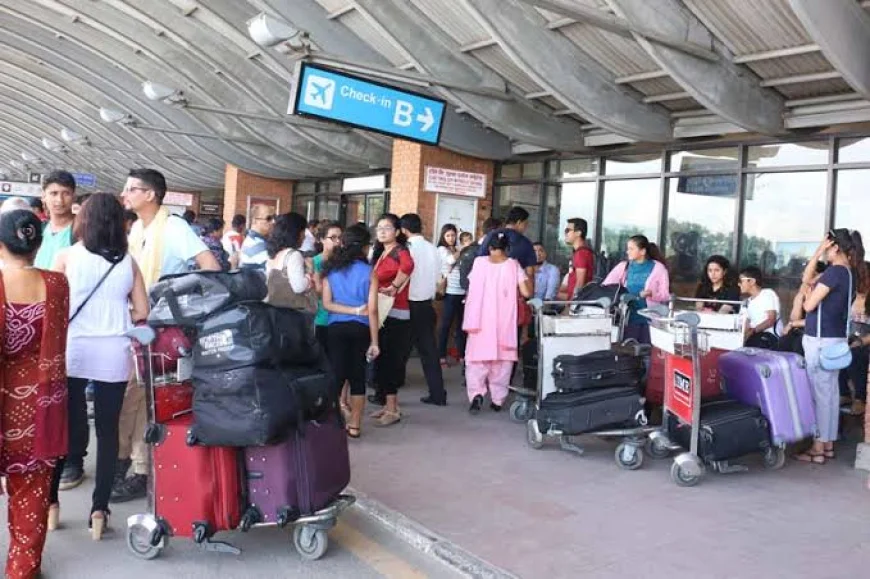


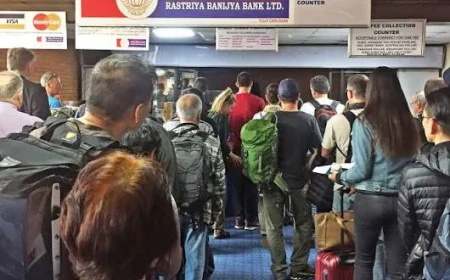
In today’s Nepal, one of the most visible changes in society is not just in cities, roads, or technology but in classrooms that are slowly emptying. Every year, thousands of Nepali students leave their homes, families, and familiar surroundings to pursue higher education abroad. Airports have become emotional spaces where goodbyes are no longer rare moments, but a repeated reality. Behind this growing trend lies a mix of hope, pressure, frustration, and dreams that are often too heavy to carry within the country.
For many students, studying abroad represents more than just education. It represents escape and possibility. In Nepal, students often grow up in an education system that is heavily focused on memorization and exam results rather than practical learning or creativity. Many students feel that they are studying to pass exams, not to prepare for life. Over time, this creates a quiet frustration. The feeling that despite years of hard work, real skills and confidence are still missing. This gap pushes them to search for education systems where learning feels more practical, modern, and globally relevant.


But the decision to leave is not always only about academics. For many young people, it is also about the fear of the future. In Nepal, even after completing degrees, many graduates struggle to find jobs that match their education. Some remain unemployed for years, while others take jobs that do not require their qualifications. This reality creates a painful question in the minds of students: “If I stay, what future will I actually have?” Slowly, this uncertainty becomes a silent motivation to leave the country.
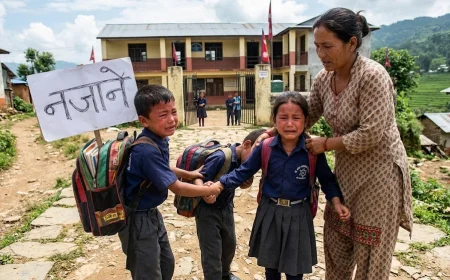
Families also play a major role in this trend. In many households, sending a child abroad is seen as a sacrifice and an investment. Parents often sell land, take loans, or spend their lifetime savings so their children can study in foreign countries. For them, it is not just education it is hope for a better life. But behind that hope lies emotional distance, long separation, and the fear of losing daily connection with their children. Every departure at the airport carries tears that are both proud and painful at the same time.


Social media has also shaped this migration mindset. Students constantly see stories of friends or influencers living abroad, studying in modern universities, working part time jobs, and enjoying a lifestyle that looks more organized and rewarding. Slowly, staying in Nepal starts to feel like falling behind, even if the reality abroad is much more complex than what is shown online.
However, this trend comes with a silent cost that Nepal is beginning to feel deeply. As more students leave, the country loses its young energy, talent, and potential. This is not just migration, it is brain drain. Hospitals, schools, engineering firms, and research institutions face shortages of skilled professionals. The country invests in education, but the benefits are often seen elsewhere.
Yet, blaming students for leaving is not fair. Most of them are not running away from Nepal, they are running toward opportunity, stability, and dignity. Many would happily stay if they could see a clear path forward within their own country. Their departure reflects a system that has not fully aligned education with opportunity.
There is also an emotional layer that often goes unnoticed. Many students leaving Nepal carry guilt in their hearts. They feel proud to chase their dreams, but also sad to leave their parents behind. Parents, on the other hand, stay back with empty rooms and silent dinners, waiting for video calls that cannot replace physical presence. The success of a child abroad often comes with the emotional cost of distance at home.
Despite all this, studying abroad is not only a loss, it is also an opportunity. Many students gain valuable exposure, skills, and global perspectives that can benefit Nepal if they return. The real challenge is not just sending students abroad, but creating conditions that encourage them to come back and contribute.
If Nepal wants to slow this outflow, it must look inward. Improving education quality, creating employment opportunities, and building confidence in local systems are essential steps. But beyond policies and reforms, there is also a deeper need to make young people believe that they do not have to leave their country to succeed.
At its core, this trend is not just about education. It is about dreams crossing borders. It is about young people choosing uncertainty abroad over limited certainty at home. And it is about a generation silently asking whether success is something they must find far away, or something their own country can finally offer them.
What's Your Reaction?
 Like
0
Like
0
 Dislike
0
Dislike
0
 Love
0
Love
0
 Funny
0
Funny
0
 Angry
0
Angry
0
 Sad
0
Sad
0
 Wow
0
Wow
0