















Street Vendors and Urban Struggles in Kathmandu



Kathmandu has long been more than just a capital city. It has been a living space of survival, opportunity, and constant movement. From five star hotels, busy restaurants, and corporate offices to small tea stalls and street vendors on the sidewalks, the city runs on people who come every day hoping to earn enough to make it through tomorrow. For many, especially street vendors, Kathmandu is not just a workplace, it is the only workplace they have.
On almost every busy road corner, vendors sell fruits, snacks, clothes, accessories, and small household items. These are not just businesses; they are stories of struggle. Many of them wake up early, carry their goods from distant rooms or rented spaces, and spend the entire day under the sun, dust, and pollution waiting for customers. Yet, despite all the hardship, these small earnings help them pay rent, send children to school, and survive another day in the city.


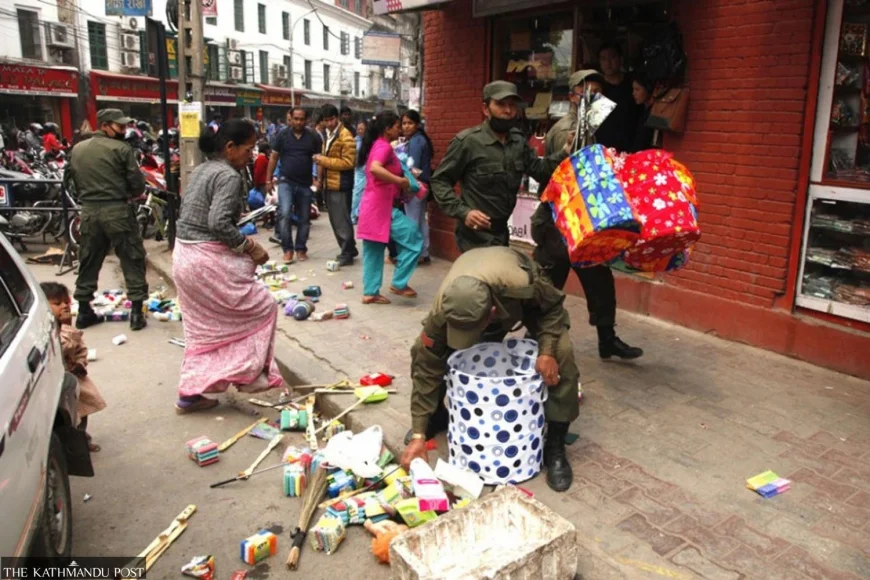
But in recent times, the situation has been changing rapidly. Authorities have increasingly taken action to clear sidewalks and public spaces in the name of traffic management and urban discipline. Vendors are being removed, warned, or forced to relocate. While these steps have made roads appear cleaner and smoother for vehicles, they have also taken away the only working space many people depend on.
For the city’s middle and upper classes, this may look like a step toward order and development. But for the street vendors, it feels like being pushed out of visibility like their existence is becoming unwanted in the very city they help function every day. Many say they are not against rules or order; they only ask for a small space to survive.


Behind every removed stall is a family that depends on that income. A mother selling vegetables to pay school fees. A father selling snacks to buy medicine. Young people trying to avoid unemployment through small trade. When their stalls are taken away, it is not just business that stops it is food on the table that becomes uncertain.
The emotional weight of this situation is heavy. Some vendors describe feeling invisible, as if their struggles do not matter in the larger picture of development. Others speak of fear, fear of losing their goods, fear of police action, and fear of not knowing where they will earn tomorrow. Yet, despite everything, they return again and again, because there is no alternative.
Kathmandu’s transformation is visible in its widened roads, flyovers, and modern buildings. But beneath this progress lies a quieter question: progress for whom? While traffic may flow more smoothly, the price is often paid by those at the very bottom of the economic ladder.
True urban development is not only about removing congestion, but also about including people. A city becomes truly developed when it finds balance when order and humanity exist together. The challenge for Kathmandu now is not just to build better roads, but to ensure that in doing so, it does not erase the very people who keep its economy alive from the margins.
In the end, the story of Kathmandu is not only about infrastructure or modernization. It is also about dignity, survival, and the unseen struggles of those who stand every day on its streets not by choice, but by necessity.
What's Your Reaction?
 Like
0
Like
0
 Dislike
0
Dislike
0
 Love
0
Love
0
 Funny
0
Funny
0
 Angry
0
Angry
0
 Sad
0
Sad
0
 Wow
0
Wow
0