

















Life of Daily Wage Workers in Kathmandu

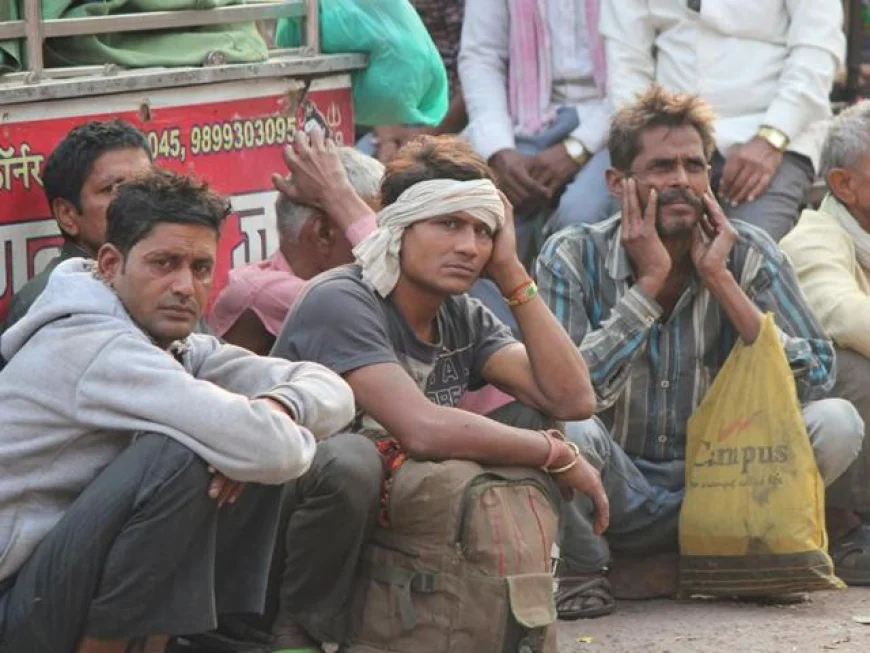


Life in Kathmandu for daily wage workers is a continuous struggle between survival, uncertainty, and resilience. Every morning before the city fully wakes up, they leave their small rented rooms or temporary shelters and gather at construction sites, roadside junctions, and busy marketplaces. There is no guarantee of work only the hope that someone will call them for a job that will help them survive another day.
For many of these workers, life is measured not in months or years, but in daily earnings. If they find work, they earn just enough to buy food for the day and sometimes save a little for rent or school fees. If they do not, the entire household feels the impact immediately. This uncertainty has become a normal part of their lives, shaping their routines and decisions every single day.


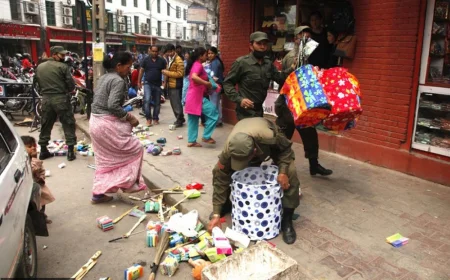
Most of them work in physically demanding sectors such as construction, loading and unloading goods, cleaning, or assisting in small businesses. Their work is often done under harsh conditions intense sunlight during summer, cold winds in winter, and sudden rainfall during monsoon. Despite the discomfort and exhaustion, they continue working because stopping means losing income, and losing income means struggling to survive.
Many of these workers come to Kathmandu from rural areas, hoping for better opportunities. They leave behind farming land, families, and familiar surroundings, believing the city will offer them stability. However, the reality is often different. The cost of living is high, work is inconsistent, and competition for daily jobs is strong. Yet they stay, because returning home without success feels like giving up.


Behind the city’s growing buildings, modern roads, and expanding infrastructure lies this invisible workforce that makes urban development possible. They carry bricks, mix cement, move goods, and clean spaces that most people pass by without noticing. Their contribution is essential, yet they remain among the most underrepresented and vulnerable groups in the city.
There is also an emotional side to their struggle. Many workers speak about the pressure of not being able to provide stable income for their families. Parents worry about children’s education, workers worry about rent and food, and every day brings a silent anxiety about whether tomorrow’s work will come or not. Despite this, they continue with quiet strength, driven by responsibility and necessity.
Kathmandu’s development often highlights infrastructure growth, rising buildings, and economic expansion. But beneath this visible progress is a reality built on the hands of daily wage workers whose efforts rarely receive recognition. Their lives remind us that behind every construction, every road, and every new structure, there are people who work tirelessly without security or certainty.
In the end, their story is not just about hardship, but also about endurance. They represent the unseen backbone of the city people who keep Kathmandu running, even while struggling to keep their own lives together.
What's Your Reaction?
 Like
0
Like
0
 Dislike
0
Dislike
0
 Love
0
Love
0
 Funny
0
Funny
0
 Angry
0
Angry
0
 Sad
0
Sad
0
 Wow
0
Wow
0