











The Power of Viral Politics



The Power of Viral Politics: When Aura Farming Becomes Reality
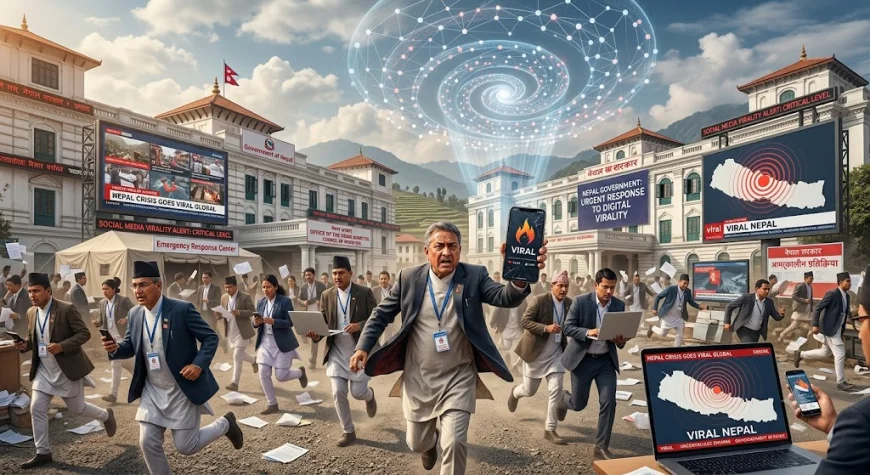
Politics today is no longer limited to speeches, policies, or parliament debates. In Nepal and around the world, it is increasingly shaped by what goes viral. A single clip, a short statement, or even a facial expression can define a leader more strongly than years of work. This shift has created a new kind of political culture where perception often matters more than performance.


One of the most interesting outcomes of this digital age is what young people jokingly call “aura farming.” It refers to the way some political figures or public personalities carefully or sometimes unintentionally build an image or “vibe” online that makes them appear powerful, relatable, emotional, or influential. A well timed speech, a dramatic pause, or even walking into a room with background music from a viral reel can turn into content that spreads faster than any official statement.
In this environment, politics is no longer just about what is said, but how it looks when clipped, edited, and shared. A politician’s 10 second reaction in a heated debate can overshadow a 10 page policy document. A protest speech filmed on a phone can travel further than official press releases. Virality has become a new form of power.


But this raises a deeper question: are we consuming real politics, or just highlights?
The culture of viral politics often reduces complex issues into simplified moments. Leaders are judged not by their long-term work but by their most shareable moments. This creates pressure on politicians to constantly “perform” for the camera. Some focus more on maintaining an online presence than on policy making. Others become overly cautious, afraid that any mistake could turn into a meme within minutes.
At the same time, audiences also play a big role. Social media users decide what becomes viral. A sarcastic comment, an emotional breakdown, or a bold statement can be amplified thousands of times within hours. This collective attention shapes public opinion faster than traditional media ever could. In many cases, people form strong political opinions without ever reading full speeches or understanding the context.
However, viral politics is not entirely negative. It has also made politics more accessible. Young people who once ignored political news are now engaging with it through reels, memes, and short videos. Important issues reach wider audiences. Marginalized voices also find platforms that were previously unavailable.
The problem begins when virality replaces understanding. When “aura farming” becomes more important than accountability. When leaders are rewarded for aesthetic presence instead of real action. And when the public starts treating politics like entertainment instead of governance.
In the end, viral politics reflects the society that consumes it. If attention is the new currency, then responsibility lies not only with politicians but also with the audience. What we choose to share, laugh at, or ignore ultimately shapes the political narrative.
Perhaps the real question is not who is farming aura better, but whether we are still able to see beyond the aura at all.
What's Your Reaction?
 Like
0
Like
0
 Dislike
0
Dislike
0
 Love
0
Love
0
 Funny
0
Funny
0
 Angry
0
Angry
0
 Sad
0
Sad
0
 Wow
0
Wow
0