















The Gap Between Law and Justice in Nepal

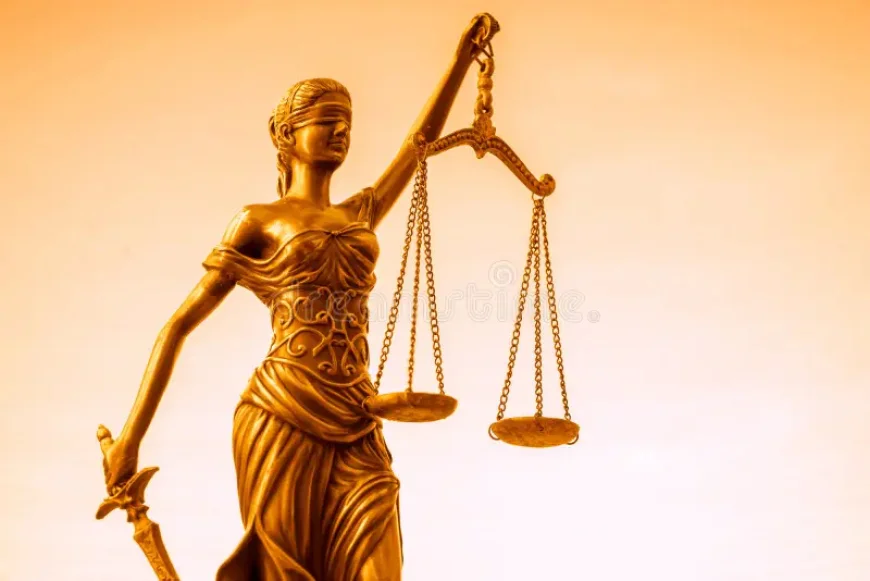


A country’s legal system is often considered the foundation of a fair and organized society. Laws are created to protect citizens, maintain order, punish wrongdoing, and ensure that every individual has the right to justice. In a democratic society, the law is supposed to be equal for everyone, regardless of wealth, power, or social status.
Nepal, like any developing democracy, has created numerous laws to protect the rights of its citizens. Over the years, the country has gone through major political and legal changes, especially after the introduction of the Constitution of Nepal in 2015. The constitution promised equality, inclusion, fundamental rights, and access to justice for all citizens.


However, a serious question remains: does having laws automatically mean people receive justice?
The reality is that there is often a significant gap between the law written on paper and the justice experienced by ordinary people. While Nepal has legal frameworks designed to protect citizens, many people still struggle to access those protections. For many, justice remains a long and difficult journey rather than a guaranteed right.


One of the biggest problems in Nepal’s justice system is the delay in legal processes. Courts are meant to provide solutions, but thousands of cases remain pending for years. For victims and their families, waiting years for a decision can create emotional, financial, and social difficulties. Justice loses its true meaning when people have to spend a large part of their lives waiting for a resolution. A victim who seeks justice after facing harm needs support and timely action. When cases are delayed continuously, people may lose faith in the system itself.
The problem becomes even more serious for ordinary citizens who lack financial resources. Although the law promises equal treatment, accessing justice often requires money, time, and legal knowledge. Hiring lawyers, attending court hearings, and understanding legal procedures can become difficult for many people. This creates a situation where justice may feel more accessible to those with resources and connections, while vulnerable groups struggle to make their voices heard. A fair legal system should not depend on a person’s economic condition.
Another major challenge is the gap between laws and their implementation. Nepal has introduced laws addressing various social issues, including violence, discrimination, corruption, and human rights protection. However, the effectiveness of these laws depends on whether they are properly enforced. A law has little impact if authorities fail to investigate cases, if victims are not protected, or if powerful individuals avoid accountability. The purpose of a legal system is not only to create rules but also to ensure those rules are followed.
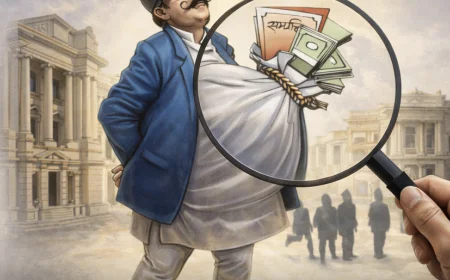
Public trust in institutions is closely connected to how people experience justice. When citizens see cases where powerful individuals appear to escape consequences while ordinary people face strict punishment, it creates frustration and distrust.
Political influence has also been a concern in discussions about Nepal’s justice system. Democratic institutions require independence and fairness. The judiciary, law enforcement agencies, and other institutions responsible for justice must be able to function without pressure or interference. When people believe that political connections or social status can influence outcomes, the foundation of justice becomes weaker.
Another important issue is legal awareness among citizens. Many people do not fully understand their rights or the legal protections available to them. Lack of awareness can prevent victims from seeking help and allow injustice to continue. Legal education should not only be limited to law students or professionals. Every citizen should have basic knowledge about their rights, responsibilities, and the process of seeking justice. A society where people understand the law is better prepared to protect itself.
The justice system also faces challenges related to social inequality. In many cases, people from marginalized communities, women, and economically disadvantaged groups face additional barriers when seeking justice. Fear, social pressure, lack of resources, and discrimination can prevent individuals from speaking out.
A truly fair legal system must ensure that every person has an equal opportunity to be heard.
However, it is also important to recognize that Nepal’s legal system has made progress. Legal reforms, improved awareness, and stronger discussions around human rights have created positive changes. More people today are questioning injustice and demanding accountability. But improvement requires continuous effort. Strengthening the justice system requires reducing case delays, improving access to legal support, increasing transparency, and ensuring that institutions remain independent.
The responsibility does not belong only to courts or government bodies. Citizens, communities, and organizations also play an important role in creating a culture where justice is valued and protected. A country cannot be judged only by the number of laws it creates. A country is judged by whether those laws actually protect its people.
The purpose of law is not simply to punish the guilty after a crime happens. The purpose of law is to create a society where people feel protected, respected, and confident that their rights matter. Nepal’s challenge is not only to create more laws. The bigger challenge is making sure those laws reach the lives of ordinary citizens.
Because in the end, justice is not found in legal documents alone. It is found when every person has a fair chance to receive it.
What's Your Reaction?
 Like
0
Like
0
 Dislike
0
Dislike
0
 Love
0
Love
0
 Funny
0
Funny
0
 Angry
0
Angry
0
 Sad
0
Sad
0
 Wow
0
Wow
0