






















Kathmandu Air Quality Deteriorates Again

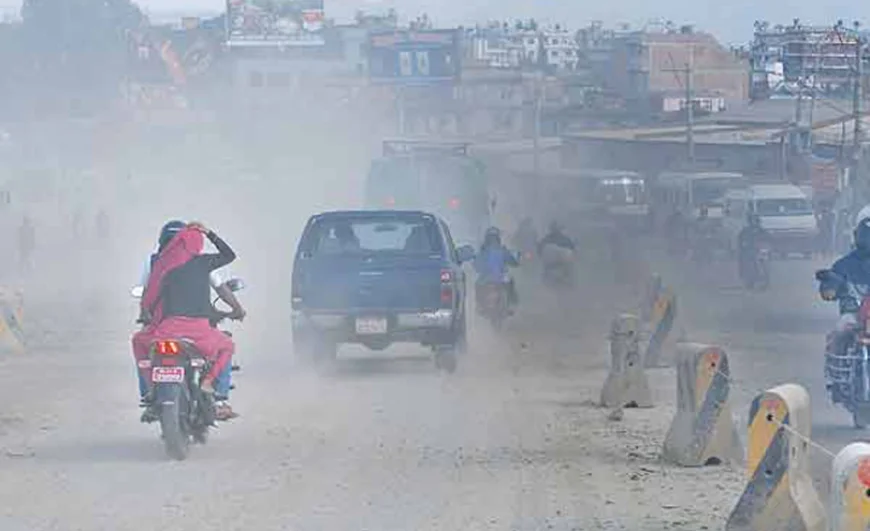


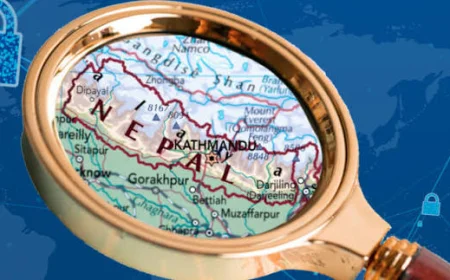
Air quality in Kathmandu Valley has once again deteriorated to hazardous levels, with thick smog covering large parts of the city and significantly reducing visibility. The worsening pollution has triggered serious concern among health experts, environmental agencies, and residents, as the capital continues to face recurring air quality crises, especially during dry seasons.
According to air monitoring data from environmental agencies, the concentration of fine particulate matter (PM2.5) has risen well above safe limits recommended by the World Health Organization. These tiny particles are considered highly dangerous because they can enter deep into the lungs and bloodstream, leading to both short-term and long-term health complications.


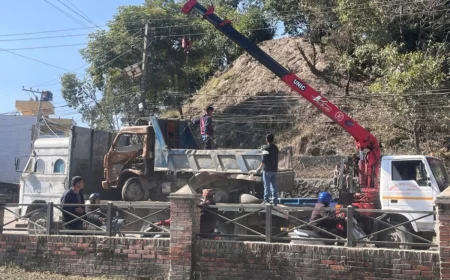
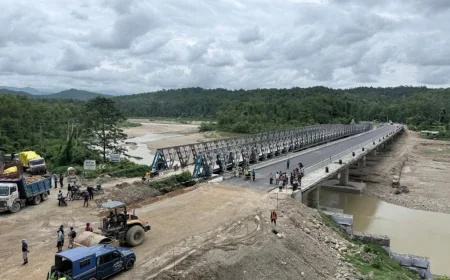
The main causes of the pollution spike are a combination of vehicle emissions, road dust, ongoing construction activities, and seasonal dry weather conditions. Large scale infrastructure projects across the valley have contributed to increased dust in the air, while heavy traffic congestion continues to emit large amounts of exhaust fumes throughout the day.
Kathmandu’s unique bowl-shaped geography further worsens the situation, as it traps polluted air within the valley and prevents easy dispersal. With limited wind movement and low rainfall during certain months, pollutants accumulate quickly, leading to smog formation that can persist for days or even weeks.


Hospitals in Kathmandu have reported an increase in patients suffering from respiratory issues such as coughing, throat irritation, asthma attacks, sinus problems, and difficulty breathing. Doctors have particularly advised vulnerable groups including children, elderly individuals, pregnant women, and those with pre-existing lung conditions to take extra precautions.
Environmental experts warn that prolonged exposure to such polluted air can have severe long-term consequences, including chronic respiratory diseases, cardiovascular problems, and reduced lung function. Some studies have also linked long-term exposure to air pollution with increased risk of stroke and heart disease.
Authorities have urged the public to wear protective masks, especially N95 or equivalent, when going outdoors. They have also recommended limiting outdoor physical activities, particularly during early morning and evening hours when pollution levels tend to be higher. People are also advised to keep windows closed during peak pollution periods and use air purifiers if available.
On the policy side, experts have stressed the urgent need for stronger enforcement of emission standards for vehicles, better regulation of construction sites, and stricter control of road dust. Promoting cleaner energy sources, improving public transportation systems, and expanding green spaces in urban areas are seen as long-term solutions to the recurring pollution problem.
Despite repeated warnings and temporary improvements in the past, Kathmandu continues to struggle with seasonal air quality crises year after year. Environmentalists argue that short-term measures are not enough and that a coordinated, long term urban environmental strategy is necessary to address the root causes of pollution.
As air quality continues to remain at dangerous levels, the situation highlights an urgent public health challenge for the capital, calling for immediate action from both government authorities and citizens to reduce emissions and protect public health.
What's Your Reaction?
 Like
0
Like
0
 Dislike
0
Dislike
0
 Love
0
Love
0
 Funny
0
Funny
0
 Angry
0
Angry
0
 Sad
0
Sad
0
 Wow
0
Wow
0