









Kathmandu’s Urban Problem: Development vs Livability

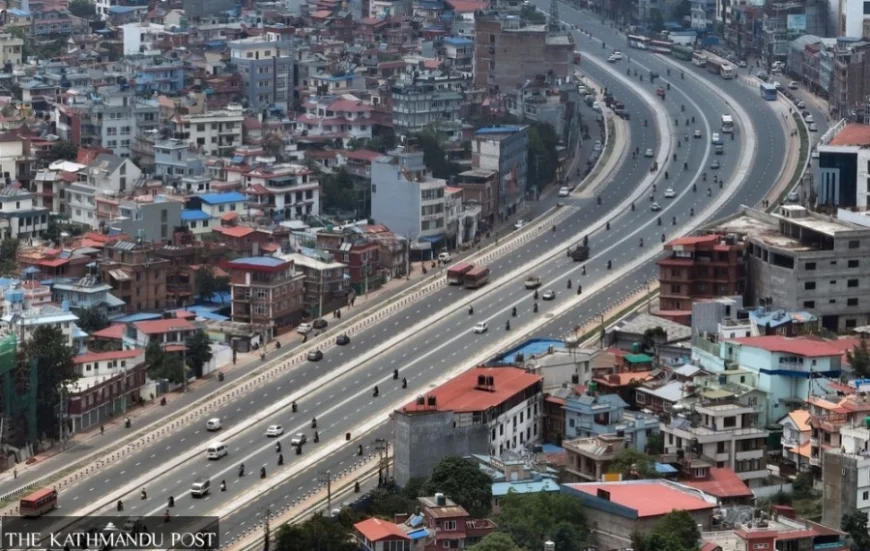


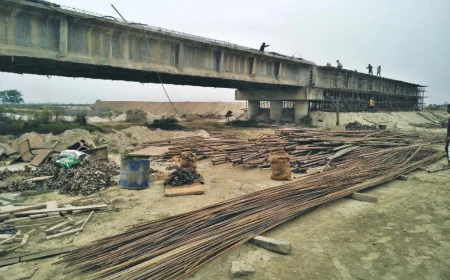
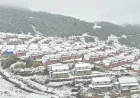
Kathmandu has always been the heart of Nepal. It is the political center, the economic hub, and a place where thousands of people arrive every year with dreams of better education, employment, and opportunities. The city represents growth and possibility. New buildings continue to rise, roads continue to expand, and modern infrastructure projects are introduced in the name of development.
But behind this picture of growth is another reality. Kathmandu is becoming a city struggling under the weight of its own expansion. The question today is not whether Kathmandu is developing; it clearly is. The bigger question is whether this development is making the city better for the people who live in it.


Urban development is often associated with physical changes: taller buildings, wider roads, shopping complexes, and new construction projects. These are visible signs of progress. However, a city’s success cannot only be measured by how much concrete it produces. A truly developed city is one where people have access to clean air, efficient transportation, safe public spaces, affordable living, and a healthy environment.
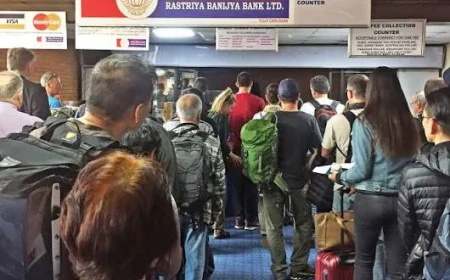
Kathmandu’s rapid urbanization has created a gap between growth and livability. The population of the valley has increased significantly over the years, but the city’s infrastructure has struggled to adapt to this rapid change. The result is a city where people stuck in traffic, breathe polluted air, struggle with waste management, and face challenges in accessing basic urban facilities.


One of the biggest challenges Kathmandu faces is unplanned urban expansion. As more people move into the valley, open spaces, agricultural lands, and traditional settlements are gradually being replaced by concrete structures. Houses and buildings continue to expand, often without enough consideration for long term environmental and social impacts. The transformation of Kathmandu is not just changing its physical appearance; it is also changing the way people experience the city. Areas that once had greenery and community spaces are now filled with buildings. Natural spaces that provided balance to urban life are slowly disappearing. This raises concerns about whether future generations will inherit a city that is comfortable to live in or one that is simply overcrowded.
Transportation remains another major issue. Kathmandu’s roads are constantly crowded with private vehicles, creating daily traffic problems. For many residents, commuting has become one of the most stressful parts of their routine. Hours are lost every day in traffic, affecting productivity, mental wellbeing, and quality of life.
The problem is not only the number of vehicles but also the lack of an efficient public transportation system. A city cannot depend heavily on private vehicles while expecting smooth movement. Sustainable cities around the world focus on reliable public transport, pedestrian-friendly roads, and systems that encourage people to choose alternatives to private cars. Air pollution has also become one of Kathmandu’s most serious urban challenges. The combination of vehicle emissions, construction dust, and limited green spaces has affected the quality of air in the valley. For many residents, pollution is no longer just an environmental issue, it has become a daily health concern.
Waste management is another reflection of the city’s struggle. Rapid population growth means more waste production, but proper systems for collection, recycling, and disposal remain limited. The problem becomes more visible when waste piles up in public areas, affecting both the environment and the image of the city. However, the solution is not to stop development. Kathmandu needs growth. As the capital city, it must continue to improve and modernize. The real challenge is creating development that does not ignore the needs of the people.
A city should be built around human needs, not just economic growth. This means creating more public spaces, protecting natural areas, improving transportation systems, and ensuring that urban planning considers future generations. Development should focus on making life easier, healthier, and more sustainable.
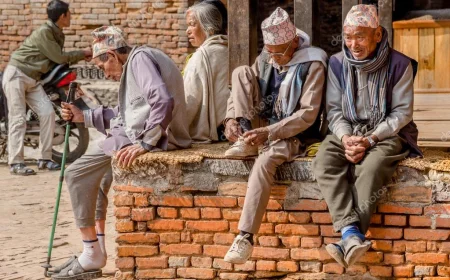
Kathmandu also carries a unique cultural identity that must be protected. The city is home to historic sites, traditional communities, and cultural heritage that cannot simply be replaced by modern construction. Progress should not mean losing the character that makes Kathmandu special.
The responsibility of creating a better city does not belong only to the government. Citizens also play an important role. Responsible waste disposal, choosing sustainable transportation options, protecting public spaces, and demanding better urban policies are all part of building a better Kathmandu. The future of Kathmandu depends on the choices made today. A city can continue expanding endlessly, but if people cannot breathe clean air, move freely, or enjoy a healthy environment, then the meaning of development becomes questionable.
Kathmandu does not need to choose between development and livability. The goal should be a balance. A city that grows economically while remaining environmentally sustainable and socially comfortable.
A truly modern Kathmandu will not be defined only by its buildings and roads. It will be defined by the quality of life it provides to the people who call it home.
What's Your Reaction?
 Like
0
Like
0
 Dislike
0
Dislike
0
 Love
0
Love
0
 Funny
0
Funny
0
 Angry
0
Angry
0
 Sad
0
Sad
0
 Wow
0
Wow
0