








Beyond Pride Month: What Happens the Rest of the Year?
This article explores the significance of Pride Month and the lived realities of LGBTQIA+ individuals beyond June. It highlights Nepal’s growing Pride movement while addressing ongoing discrimination, social exclusion, and workplace barriers faced by the community. The article also emphasizes how social media and societal attitudes continue to impact LGBTQIA+ individuals throughout the year. Ultimately, it calls for continuous acceptance and equality beyond Pride Month, urging society to reflect on what real inclusion looks like year-round.

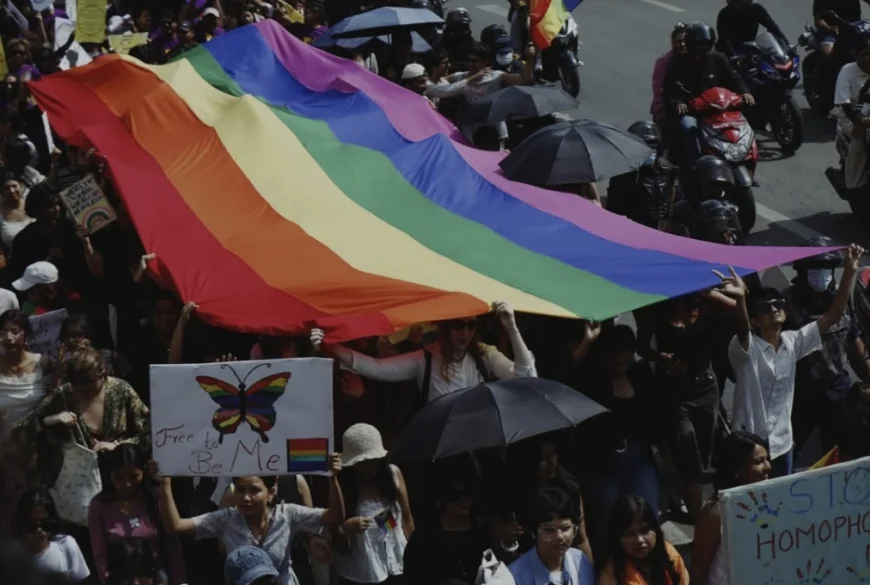


“The month June is called ‘Pride Month’. It is a month dedicated to the LGBTQI+ community from all around the world to celebrate their identity, advocate for equality, inclusion and honor the history of the movement.”
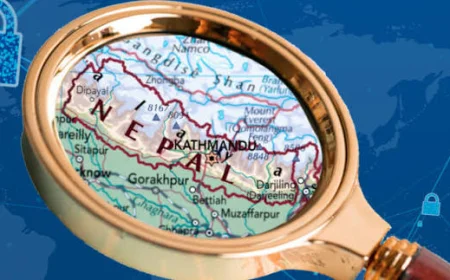
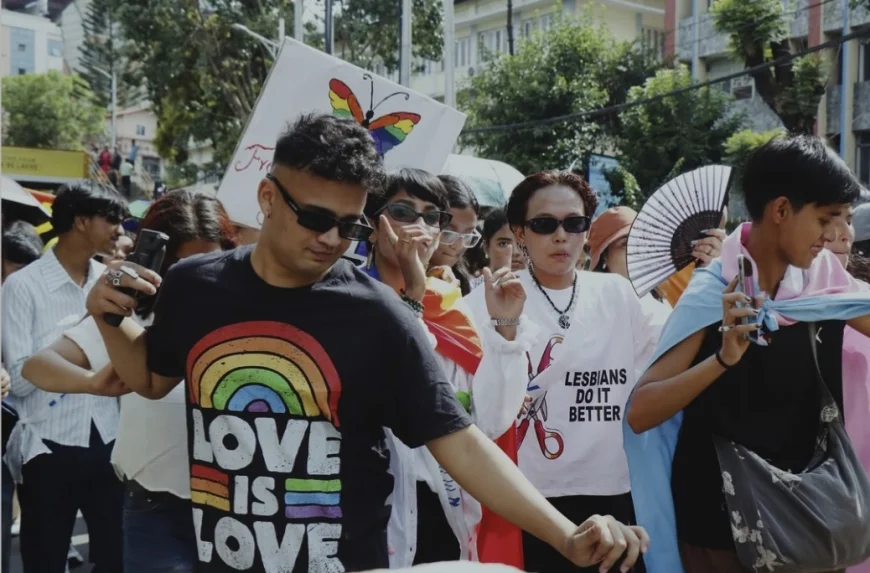
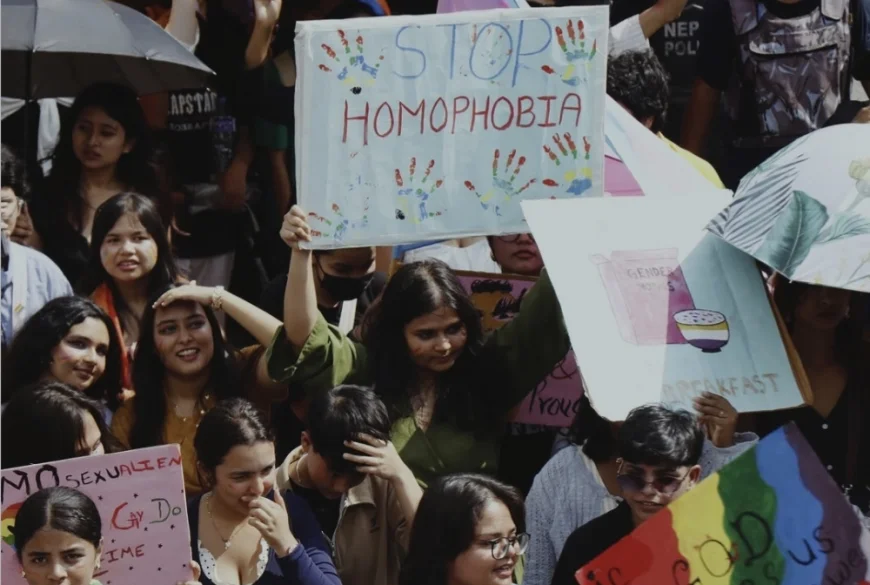
Nepal has been officially organizing Pride Parades for the past eight years, held on the second Saturday of June. Although it is not a new movement, there has been a visible rise in people coming out and expressing their identities. While Pride itself is not a recent idea, some people still argue that the western society is influencing our society negatively for introducing such ideas. But the history tells us a different story.


The LGBTQI+ community is not a modern western concept. Stories and concepts that reflects gender diversity and fluidity existed in our society long before the debate. We had characters like Shikhandi (originally born as a man named Sudyumna), in Mahabharata who later transformed into a woman ILA and the divine form of Ardhanarishvara, which challenges the notion that gender has always been understood in strictly binary terms. Other ancient texts such as the Kama Sutra have also mentioned people who existed outside the conventional categories of male and female. Even though these figures should not be equated directly with modern LGBTQIA+ identities, it demonstrates that diverse experiences of gender and sexuality have long been a part of our culture and history. But the purpose is not to convince those who choose to see it differently, but to acknowledge that gender diversity and diverse sexual orientations have always been part of the human experience. They have existed across cultures, societies, and history including our own.
In case you ever wondered why June matters so much to members of this community, the answer is simple. It is about being seen. For many LGBTQIA+ individuals, Pride Month is merely a celebration. It is a reminder of a long history of people who fought for the right to exist openly, to love freely, and to live without fear. Our role as a society is to honor those struggles, acknowledge the progress that has been made, and recognize how much work still remains.


A 2019 study by Mitini Nepal found that 51% of LGBTQIA+ individuals experienced discrimination, including verbal harassment, exclusion from religious activities, and rejection from their own families. Another study conducted among 112 respondents from the Gender and Sexual Minorities Forum Nepal and Blue Diamond Society in Kathmandu, revealed even more alarming findings: 80.5% of participants faced verbal harassment, 33.3% were bullied, 20.7% dropped out of school due to discrimination, and 10.3% were expelled.
Another example you might be familiar with is the older transgender individuals we see in daily lives who are engaged in begging. I bet we rarely pause to reflect the systemic barriers that shape their reality. I have heard people ask why they do not simply find a job or “live a normal life,” but such assumptions overlook the discrimination they face from the very beginning. According to studies in Nepal, a significant proportion of transgender and gender-diverse individuals are excluded from formal employment due to their identity. Research conducted in Kathmandu shows that around 45% of LGBTQIA+ individuals have been denied jobs because of who they are. See, when access to education, workplace acceptance, and social dignity is consistently restricted, employment becomes not a choice but a privilege denied.
Even though we tend to notice and celebrate the LGBTQIA+ community during Pride Month, the struggle of being a part of the community lingers them throughout the year. Social media that provides a platform for visibility and self-expression, has become a space where discrimination is amplified. And since there is no accountability on what people do or say on their social media, under videos and posts created by LGBTQIA+ individuals, it is very common to find comments such as "This is against nature," "Keep this away from children," "You're just seeking attention," or "There are only two genders." In fact they are also subjected to slurs, threats, mockery, and religious condemnation simply for expressing their identities online. And what may appear as a quick scroll past a video for us can become a daily encounter with hatred for those on the receiving end.
Though some extremes, in some ways, have influenced people to perceive the discussion of gender identity, it must never define the entire conversation. And why I say this is because the core idea of accepting non-binary and gender-diverse individuals have become increasingly fragile than ever. The culture of exploring, understanding, and expressing one's gender identity is certainly on the rise but this should never overshadow the reality that members of the LGBTQIA+ community continue to face discrimination, exclusion, violence, and prejudice in ways many of us may never fully comprehend.
Pride Month is not just about celebration in June, but about reflection for the rest of the year. It is a reminder that equality is not seasonal and acceptance should not be conditional. While visibility increases during Pride, the lived realities of LGBTQIA+ individuals continue every single day. As a society, the real question is not what happens in June, but what changes we are willing to make in the months that follow.
What's Your Reaction?
 Like
2
Like
2
 Dislike
0
Dislike
0
 Love
0
Love
0
 Funny
0
Funny
0
 Angry
0
Angry
0
 Sad
0
Sad
0
 Wow
0
Wow
0