



























How Gut Health Influences Your Mind: The Gut-Brain Connection
Your gut is more than just a digestive system — it plays a critical role in your mood, focus, and mental well-being. Supporting gut health through diet, lifestyle, and mindful habits can improve both body and mind.

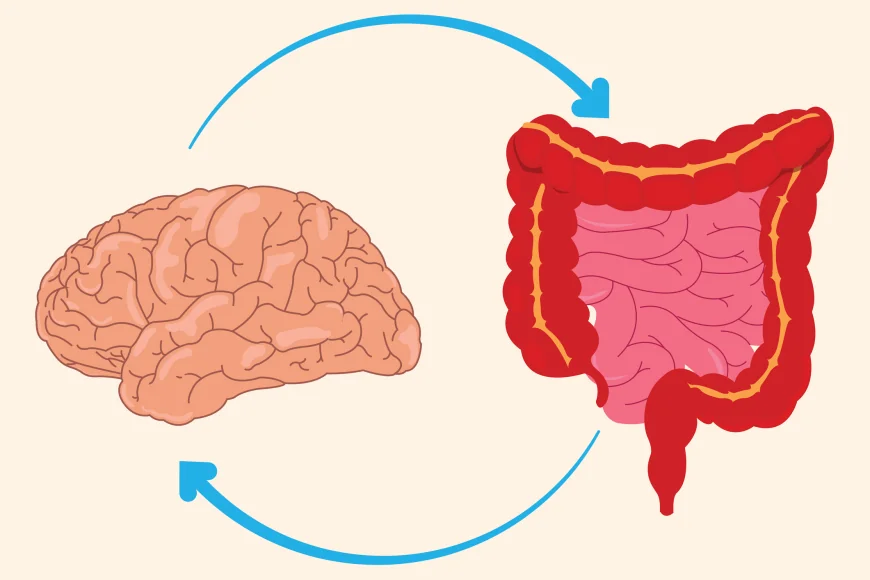


When we think about mental health, most of us focus on therapy, meditation, or stress management. But one of the most powerful influences on your mood and mental clarity comes from a surprising place: your gut. Scientists call this the gut-brain axis, a complex communication system connecting your digestive system to your brain.
Your gut houses trillions of bacteria, viruses, and fungi — collectively known as the microbiome. These microorganisms help digest food, produce essential vitamins, regulate immunity, and even create neurotransmitters like serotonin, which plays a major role in mood and emotional balance. In fact, about 90% of the body’s serotonin is produced in the gut, not the brain.


When your gut microbiome is out of balance — a state called dysbiosis — it can affect your mood, memory, and mental health. Research suggests that poor gut health may contribute to anxiety, depression, brain fog, and stress-related conditions. Even digestive issues like bloating, constipation, or irregular bowel movements can have ripple effects on your emotional and cognitive well-being.
Practical Ways to Support Your Gut and Mind


1. Eat a Gut-Friendly Diet
Fiber-rich foods like fruits, vegetables, legumes, and whole grains feed the good bacteria in your gut. Fermented foods like yogurt, kimchi, sauerkraut, and kefir provide live probiotics to support a healthy microbiome. Avoid excessive processed foods, sugar, and artificial sweeteners, which can disrupt bacterial balance.
2. Manage Stress Effectively
Chronic stress negatively affects gut health. Techniques like deep breathing, meditation, yoga, or even a simple daily walk can lower stress hormones and improve digestion. Remember, a calm mind often leads to a calmer gut.
3. Stay Hydrated
Water is essential for digestion and nutrient absorption. Proper hydration helps maintain healthy gut lining, supports metabolic functions, and keeps your microbiome balanced.
4. Prioritize Sleep
Sleep and gut health are closely linked. Lack of quality sleep can alter gut bacteria, which in turn affects hormone regulation and mental health. Aim for 7–9 hours of restful sleep each night.
5. Avoid Overuse of Antibiotics
While antibiotics are sometimes necessary, overuse can kill beneficial bacteria along with harmful ones, disrupting your gut ecosystem. Always follow medical guidance and consider probiotics during or after antibiotic use.
The Benefits of a Healthy Gut
Supporting your gut can have surprising benefits beyond digestion. Many people notice:
Improved mood and emotional stability
Enhanced focus and mental clarity
Increased energy levels
Reduced inflammation and better immunity
Fewer digestive discomforts
The connection between your gut and brain is a reminder that mental health and physical health are inseparable. By nurturing your gut, you are also nurturing your mind. Small daily habits like mindful eating, staying hydrated, and including probiotics can have a lasting impact on your overall well-being.
Your gut is more than a digestive organ — it’s a central player in your mental and emotional health. Taking simple, consistent steps to support your gut can improve mood, reduce stress, and boost mental clarity. Remember, a happy gut often means a happier mind.
What's Your Reaction?
 Like
0
Like
0
 Dislike
0
Dislike
0
 Love
0
Love
0
 Funny
0
Funny
0
 Angry
0
Angry
0
 Sad
0
Sad
0
 Wow
0
Wow
0